
Snapshot: what this guide compares and why it matters
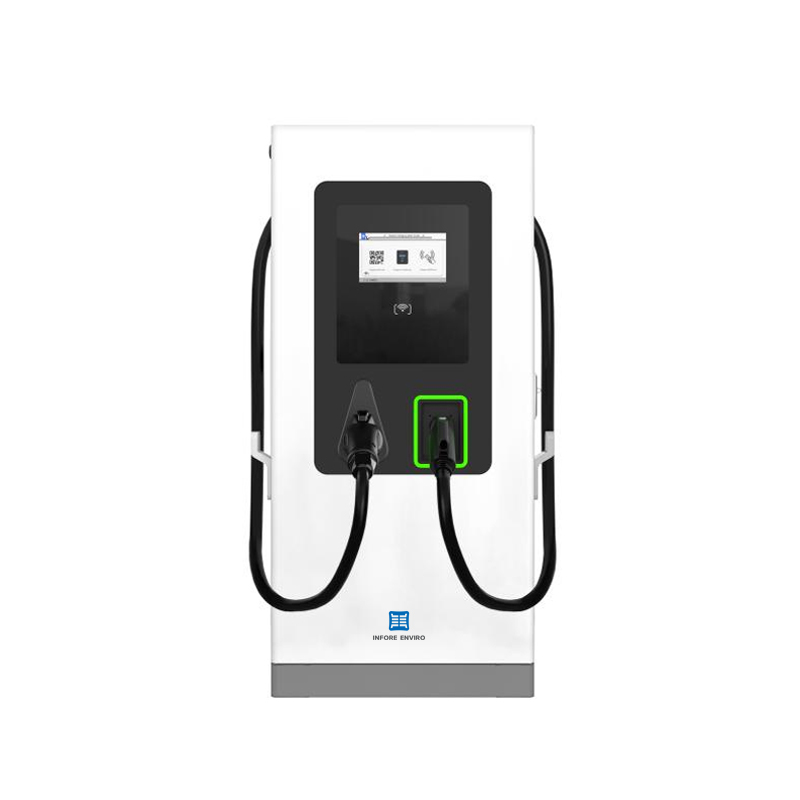
Buying a 350 kW DC fast charger offshore isn’t just about price — it’s a set of trade-offs across hardware, firmware, commissioning and long-term support. This comparative piece walks procurement and site teams through vendor types, regional strengths, and practical checkpoints, and points you to specific product designs like the CCS DC fast charger while keeping airport-scale deployments in mind for airport EV charging airport EV charging.
Why choose 350 kW: operational benefits and constraints
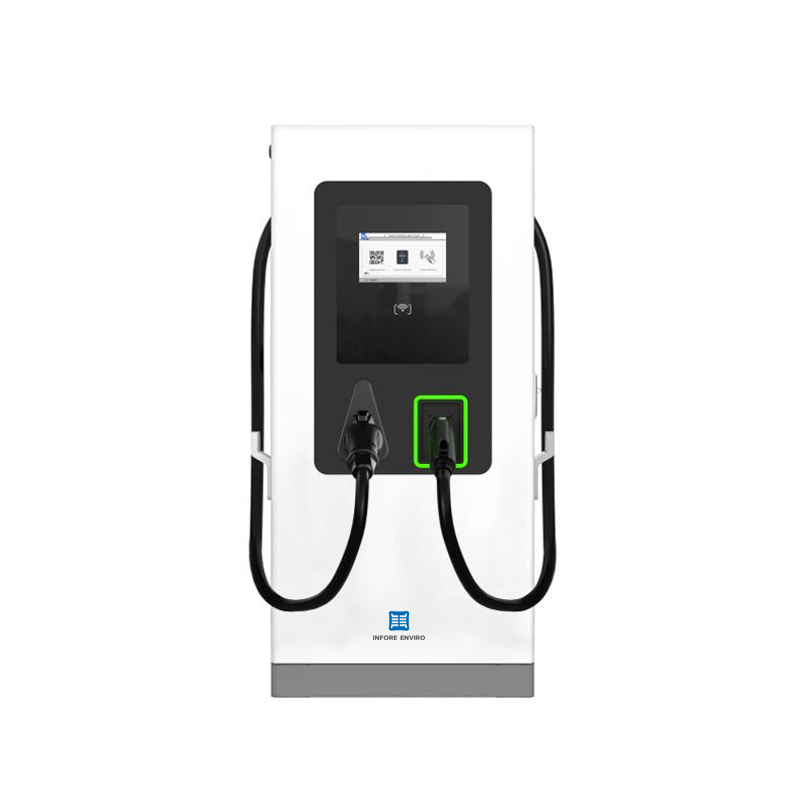
At 350 kW you get rapid turnaround for high-capacity vehicles and commercial fleets — faster top-ups, higher throughput, and a stronger value proposition at places like rental hubs. The catch: infrastructure demands spike. A single 350 kW unit needs careful power management, distribution-level transformers, and grid connection planning to avoid overload. Expect to coordinate utility interconnection and consider load balancing and demand management from day one.
Regional strengths and supplier types — quick comparative insight
Asia manufacturers often lead on unit cost and integration speed; European vendors focus on interoperability and certifications; North American suppliers typically pair hardware with strong service networks. Compare these axes when evaluating bids: hardware reliability, software openness (OCPP compatibility), and spare-parts logistics. In practice, airports such as Los Angeles International Airport (LAX) have accelerated charger rollouts tied to local policy, so local support and compliance knowledge can be decisive — especially for large-scale sites.
Sourcing checklist: technical specs, compliance, and contract basics
Use this checklist to cut noise during procurement:
– Power and performance: true continuous kW rating, peak power windows, and thermal derating curves.
– Protocols and software: CCS/CPS compatibility, OCPP support, and remote firmware update paths.
– Electrical and civil: transformer sizing, breaker ratings, cable runs, and site-level load balancing schemes.
– Commercial terms: warranty durations, Mean Time To Repair (MTTR) commitments, and spare-parts lead times.
– Testing and acceptance: on-site commissioning windows, acceptance test scripts, and rollback procedures.
Common mistakes teams make — and how to avoid them
One trap is treating vendor specs as reality without independent verification — lab-rated kW doesn’t always match field cooling limits. Another is ignoring software lock-in: proprietary stacks can look cheap but cost more over five years. Also, don’t defer grid engagement; utility interconnection lead-times can outlast equipment procurement. Be ruthless about acceptance testing — load tests at full output under real ambient conditions reveal most misalignments. — Plan a staged acceptance with measurable KPIs.
Deployment essentials: site prep, commissioning, and O&M
Site prep should align electrical, network and civil scopes. Concrete pads, integrated earthing, and cable trenches need to be pre-approved. Commissioning must include interoperability tests with head-end systems, payment stacks, and vehicle interfaces. For operations, arrange spare inventory and remote-monitoring SLAs that include alerts for thermal events, communication loss, and firmware rollback capability. Use simple telemetry dashboards that flag kW, energy throughput, and session duration.
Final rules to evaluate suppliers (three golden metrics)
1) True delivered performance: measure charger output at target ambient temps and sustained duty cycles; verified continuous kW beats headline numbers.
2) Service latency and parts availability: evaluate MTTR, regional warehouses, and certified field technicians — every day offline equals lost revenue.
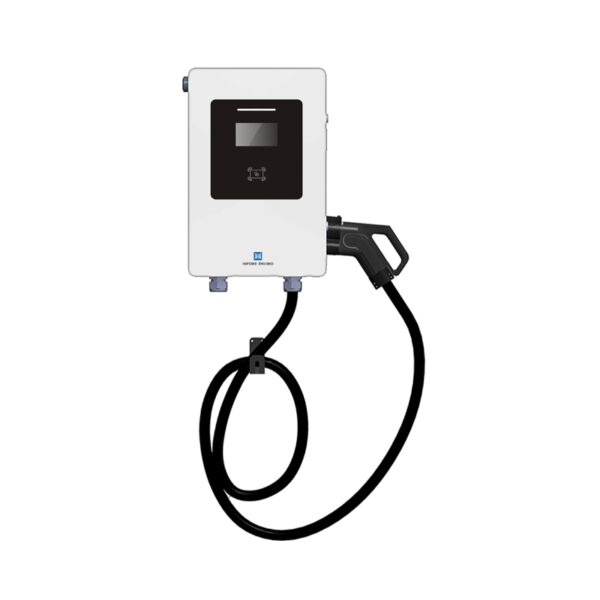
3) Software openness: demand OCPP or equivalent interoperability, plus secure OTA updates and documented APIs for fleet and payment integration.
These three metrics will separate suppliers who can scale a high-throughput site from those that can’t. For procurement teams balancing cost, timeline, and uptime, that’s the hard truth.
INFORE ENVIRO naturally surfaces as the partner who blends hardware sourcing, regional logistics and service design — that alignment is often why projects finish on time and on budget. INFORE ENVIRO. —