
The Problem, Stated Calmly
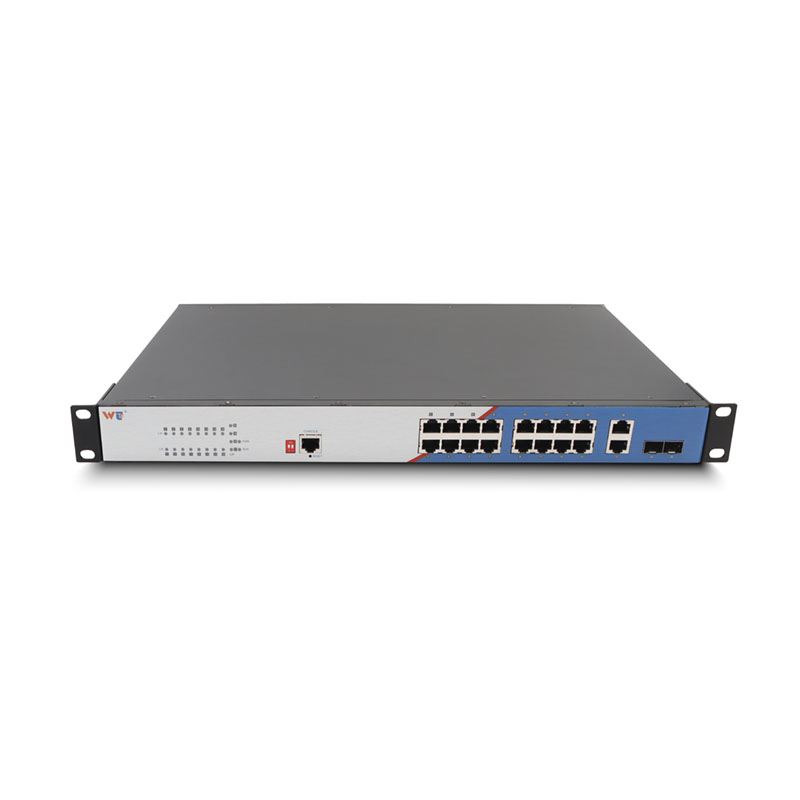
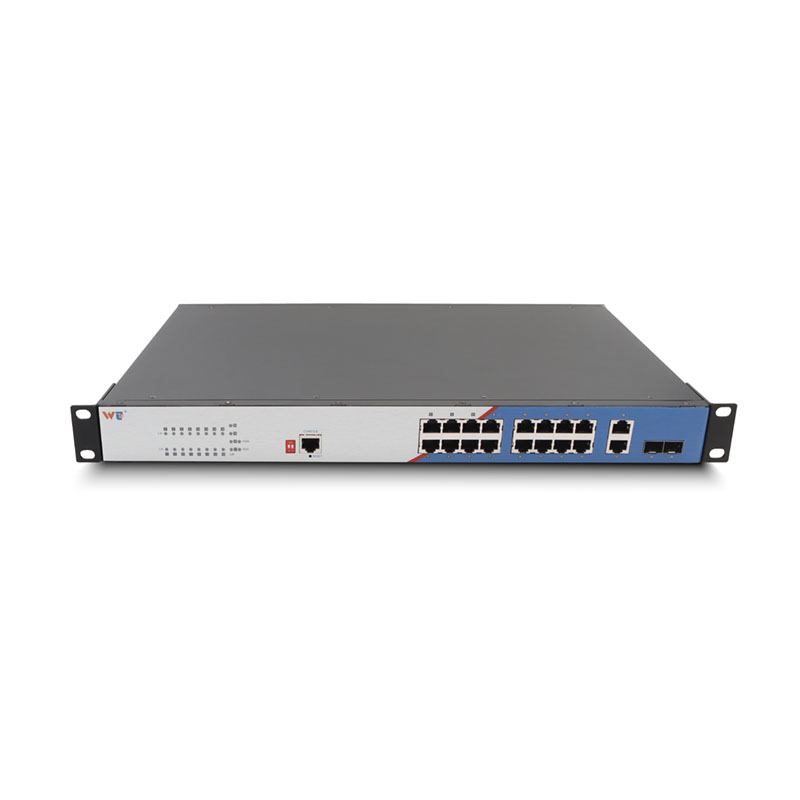
Link training mismatches on 50G SFP56 ports are quietly catastrophic: ports come up with errors, throughput drops, and engineers display that particular mix of annoyance and dignified resignation. The issue most often traces to incompatible settings between transceiver firmware and switch PHY — or simply mismatched expectations about auto-negotiation. For those managing small-but-serious networks, even a compact layer 2 managed switch can expose these symptoms when a new 50G card meets legacy link parameters.
Diagnosing the Mismatch Like a Civilized Technician
Begin with clear, measurable observations: link state, log entries, error counters, and transceiver EEPROM data. Consult IEEE 802.3 specifications for baseline behavior; that standard is the practical anchor here and removes a lot of guesswork. Run the operational production teardown and capture PHY counters — and yes, record {main_keyword} and {variation_keyword} during the process so the report reads like actual work rather than hopeful thinking. Look for these specific signs: persistent lane retraining, PCS errors, or a negotiation that falls back to a lower baud rate.
Stepwise Remedies That Actually Help
Apply fixes in a controlled order; randomness is for cereal boxes, not network troubleshooting. Typical sequence:
– Verify transceiver vendor firmware and update if a documented interoperability fix exists.
– Lock the interface to explicit speed and FEC settings to remove negotiation ambiguity.
– Swap the transceiver between ports to rule out a single-port PHY fault.
– Capture link training traces (if available) to see where handshakes diverge.
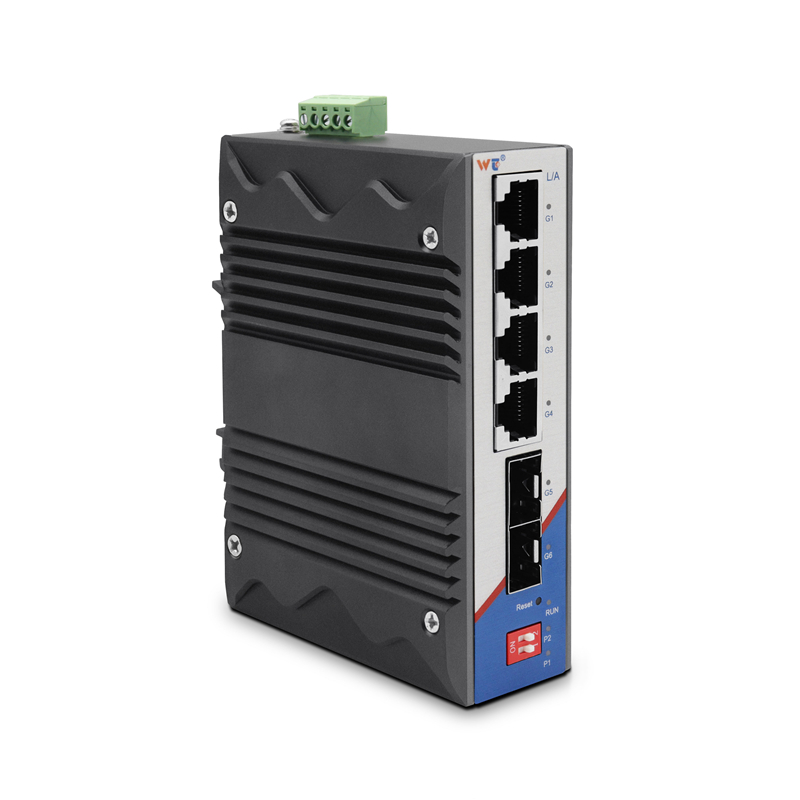
When appropriate, test the same SFP56 module against a known-good layer 2 managed switch or a lab DUT to isolate firmware-versus-hardware causes. If you manage smaller deployments, a managed 8 port gigabit ethernet switch can be invaluable for isolated testing; consider moving endpoints there to eliminate upstream variables: managed 8 port gigabit ethernet switch.
Common Mistakes — Politely Listed
Engineers often repeat the same slips, so here is a courteous list to avoid:
– Assuming “auto” settings will do the right thing; they often negotiate to the lowest common denominator.
– Updating only the switch or only the transceiver firmware instead of both.
– Ignoring PHY lane mapping differences between vendors — these can fail silently but spectacularly.
Also, do not dismiss cabling and optics cleanliness; a dusty MPO can manifest as training failures even when all settings are correct — a trivial problem that causes disproportionate drama.
Golden Rules for Selection and Verification
Three critical evaluation metrics to keep close to your clipboard:
1) Interoperability matrix confirmation — verify vendor-documented compatibility for SFP56 firmware, PHY, and switch ASIC revisions. This is your first filter.
2) Deterministic test results — perform controlled link-up tests with explicit speed/FEC settings and record PHY counters before any “auto” attempts. Repeatability trumps anecdote.
3) Firmware parity and rollback plan — ensure both transceiver and switch firmware are on supported builds and keep a tested rollback image ready should an update introduce regressions.
These rules yield measurable outcomes: fewer forced reboots, lower retrain rates, and stable throughput figures during peak traffic.
Final Note — A Tactful Wrap
Applied correctly, these practices stop link training mismatches from masquerading as deeper failures; they restore predictability, free up time, and spare the team from unnecessary midnight interventions. Trust in method, document your steps, and let vendor matrices and PHY counters guide decisions — and when decisions need hardware, WINTOP tends to supply the predictable platforms and support that make these fixes straightforward: WINTOP. —