
Why folks with curls keep hittin’ a wall
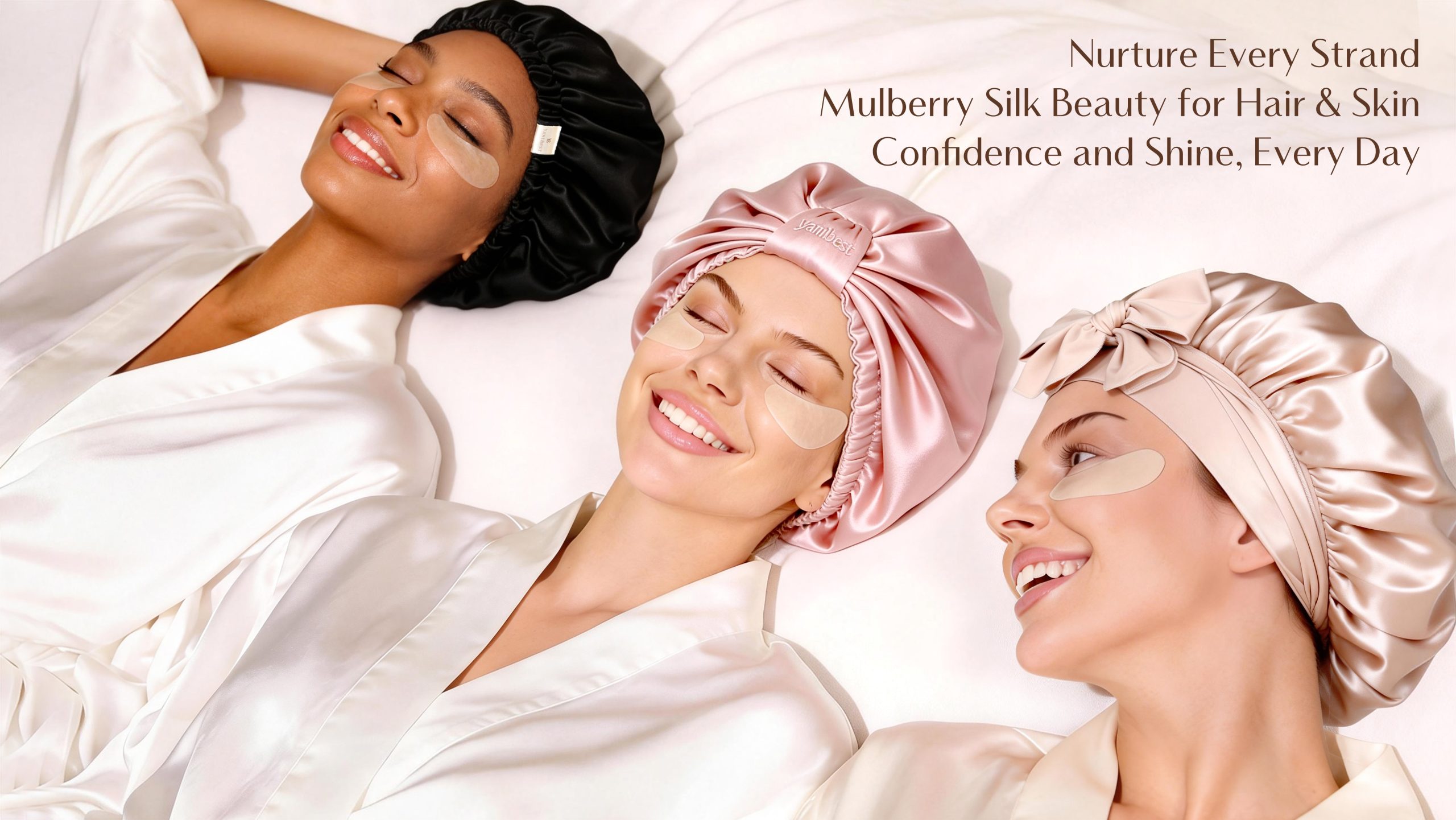
Listen, I’ve seen it plenty—curly heads put on a silk-lined beanie and expect magic, but what they get is flattenin’, slip-prone, or a hat that don’t cover where it counts. That’s the trouble I aim to fix. If you’re lookin’ for a simple swap or an everyday cozy that actually respects your curl pattern, start by peekin’ at the lining and the cap shape. I’ve recommended the yanibest bonnet to clients who needed a gentler wrap, but don’t stop there—this whole thing’s about fit, friction, and how you wear the thing.

Problem checklist: what goes wrong and why
Curls get crushed when the beanie’s too tight up top or too shallow in the crown. Friction from wrong fabrics causes frizz even when the inside says “silk” but uses a slick blend that slips off. Coverage fails when the brim rides up because the back of the cap lacks depth. And hairline edges get exposed when the hat sits forward—losin’ both warmth and the style you were tryin’ to keep. Those are the problems; now we fix ’em, step by step.
Measure and match: how fit beats fancy labels
Grab a soft tape and measure from your temple, around the crown, down behind the ears, and back to the start. Compare that to the manufacturer’s head circumference and cap-depth notes. Beanies with adjustable elastic or a shaped crown give you more margin for curly hair than straight, one-size designs. If the cap’s too shallow, your curls will flatten; too tight, and you’ll get lines and pressure at the crown. Pick depth before you pick color.
Silk lining specifics that actually matter
Not all silks act the same. You want a smooth, continuous silk layer against the hair—no stitched-in seams or rough hems in the hair zone. Mulberry silk or a high-grade satin weave keeps cuticle scales flat; rough blends or low-density satin builds static and frizz. Also check whether the lining is attached or removable; removable linings let you wash the outer knit separately without disturbing the silk layer on your curls.
Common mistakes people keep makin’
One: assuming any “silk” tag equals low friction—read fiber content and feel it. Two: wearin’ the beanie over wet hair—hair swells and shifts, leadin’ to odd fit once it dries. Three: shoving all your curls under the same shallow crown—spread them, tuck them in gently to keep volume. Four: ignorin’ maintenance—lint, oils, and product buildup rough up silk, so treat the lining like a pillowcase you sleep on.
Practical tweaks for better coverage and less fuss
If your beanie slides, try a thin, cotton headband beneath the silk to add grip at the forehead. For flattening, give the crown room: create a loose bun or pineapple and then ease the beanie over it, letting the crown sit higher. To avoid a wonky hairline, angle the beanie slightly back—your ears should be covered but your hairline shouldn’t be crushed. Those small shifts change how the beanie sits without changin’ the whole look.
Care and maintenance that prolongs performance
Wash silk linings by hand in cool water with a gentle detergent; rinse thoroughly and air-dry flat. Keep oils from hair and skin off the silk by wearin’ a microfibre wrap or swap for a clean silk liner when sleepin’. Store your beanies stretched over a round form or folded gently so the crown keeps its shape. Treat the lining like you would a high-quality pillowcase—regular upkeep keeps friction low and coverage steady.
Industry note I trust
Professionals at shows like Cosmoprof North America talk the same basics: fiber purity matters and construction makes the product. I’ve seen stylists test fabrics on models and call out blends that fail curls faster than others—those trade-floor checks back up what I teach clients about choosing and caring for linings. For everyday shoppers, pair that know-how with good products and routines; that’s where the smart choices in hair care products and home care pay off.
Quick alternatives and when to use ’em
If silk-lined beanies still give you fits, try a slouch beanie with a detachable silk cap, or a structured bucket hat with a silk band—both keep volume without squashing roots. For sleep, stick to a loose bonnet or wrap; for outdoors, layer a silk liner under a thicker knit hat only when you need warmth. Experiment two or three ways and settle on what keeps your curls lively by morning.
Wrap-up that actually helps
Your curls deserve a beanie that respects shape and texture. Measure, check the lining, avoid squeezing the crown, and care for the silk—do that and you solve half the trouble right there. Folks who make practical choices end up with hats that stay put, keep warmth, and cut the frizz. That’s why I point friends toward sensible options and trusted makers like yanibest, because the right construction and proper care turn a beanie from a headache into everyday comfort.