
Overview — a clear framework to follow
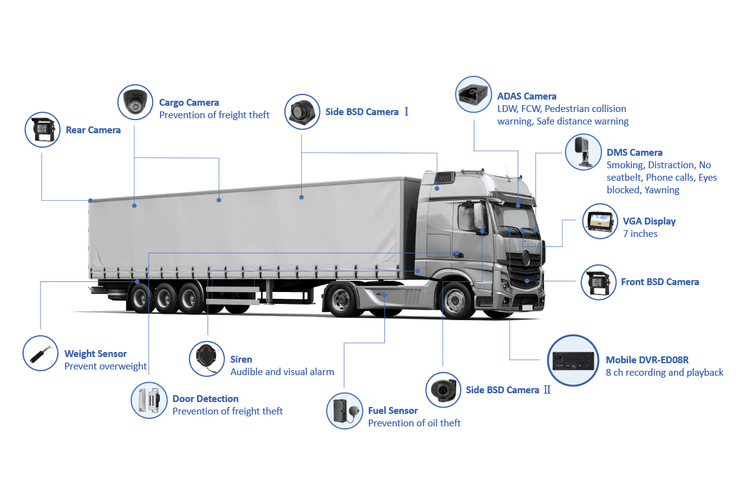
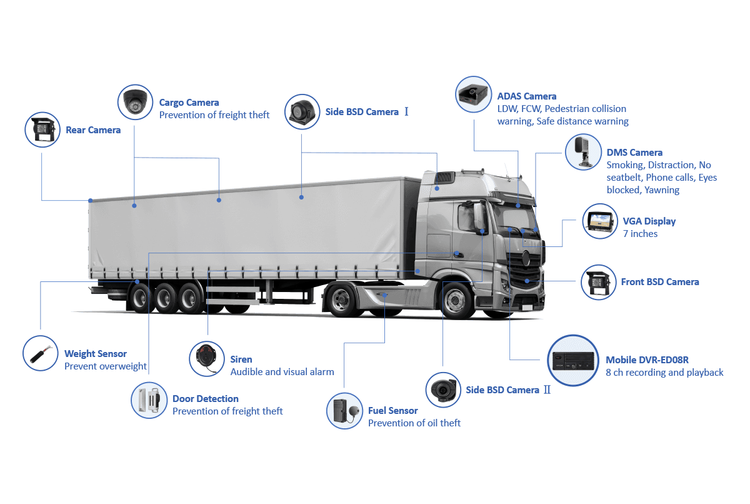
Think of deployment as a set of repeatable steps you can teach and measure. This framework breaks the project into stages with clear goals, typical durations, and checkpoints so teams make steady progress. If you’re working with small vans, start by comparing real feature sets for van fleet management solutions against your operational needs before you write requirements.
Stage 1 — Define needs and success criteria (1–3 weeks)
What you measure drives what you build. Gather the people who touch the fleet: dispatch, drivers, maintenance, IT, and finance. Clarify vehicle mix, service area, expected delivery windows, and compliance rules. Write 3–6 measurable success criteria (examples: improve on-time rate by X points, reduce empty miles by Y%). Avoid vague specs; list integrations you must have (ERP, route planner, telematics API) and the data fields each integration needs.
Stage 2 — Design solution and select vendor (2–6 weeks)
Turn requirements into a shortlist and evaluate vendors with a scored matrix. Score against integration ease, reporting granularity, UX for drivers, offline behavior, and security. Ask for a focused demo using one of your real routes or scenarios. Negotiate trial terms and define SLAs for uptime and support. Don’t over-spec features you can add later; prioritize the top 20% of functions that deliver 80% of the value.
Stage 3 — Pilot and test in realistic conditions (3–8 weeks)
Run a pilot on a defined route set that represents the hardest operating conditions you face. Use one urban area as your testbed—many teams validate in a dense market such as New York City because it stresses routing, congestion handling, and driver workflows. Measure defined KPIs daily and run short feedback sessions with drivers. The pilot should exercise: route deviations, late-delivery handling, live dispatch changes, and vehicle maintenance alerts. Make sure the pilot includes last-mile cases that reflect typical stops and customer interactions for your last mile delivery fleet, then fix issues before scaling.
Stage 4 — Integrate systems and train users (2–6 weeks)
Integrations must be validated end-to-end: data mapping, sync cadence, and error handling. Run parallel operations long enough to confirm data consistency. Train drivers with short, hands-on sessions and create quick reference guides for common tasks. Appoint superusers in each operational area who can triage problems on day one. Common training pitfall: trying to teach everything at once. Teach core workflows first, advanced features later.
Stage 5 — Rollout strategy and stabilization (2–12 weeks)
Choose phased rollout by region or fleet segment to limit risk. After each phase, check your success criteria, collect operator feedback, and apply fixes. Stabilization is about repeatability: confirm processes produce the same results across routes and teams. Continue short daily check-ins during the first two weeks of each phase and reduce frequency as metrics stabilize.
Common pitfalls and how to avoid them
– Skipping stakeholder alignment — hold a short kickoff with clear roles.
– Over-customizing early — build with default workflows, tweak after the pilot.
– Ignoring offline/poor-signal behavior — test devices in actual coverage pockets.
– Training overload — use micro-training and on-shift coaching.
– Not defining rollback points — know when to pause and revert if KPIs drop.
Quick timeline examples to calibrate expectations
– Small urban van fleet (10–50 vehicles): 8–14 weeks from requirements to first-phase rollout.
– Mid-sized regional fleet (50–250 vehicles): 12–20 weeks with staged regional rollouts.
– Large national fleet (250+ vehicles): 20+ weeks with extended pilots and parallel integration cycles.
Use these as guides; complexity in integrations or regulatory checks will add time.
Synthesis — teachable steps that lead to reliable rollout
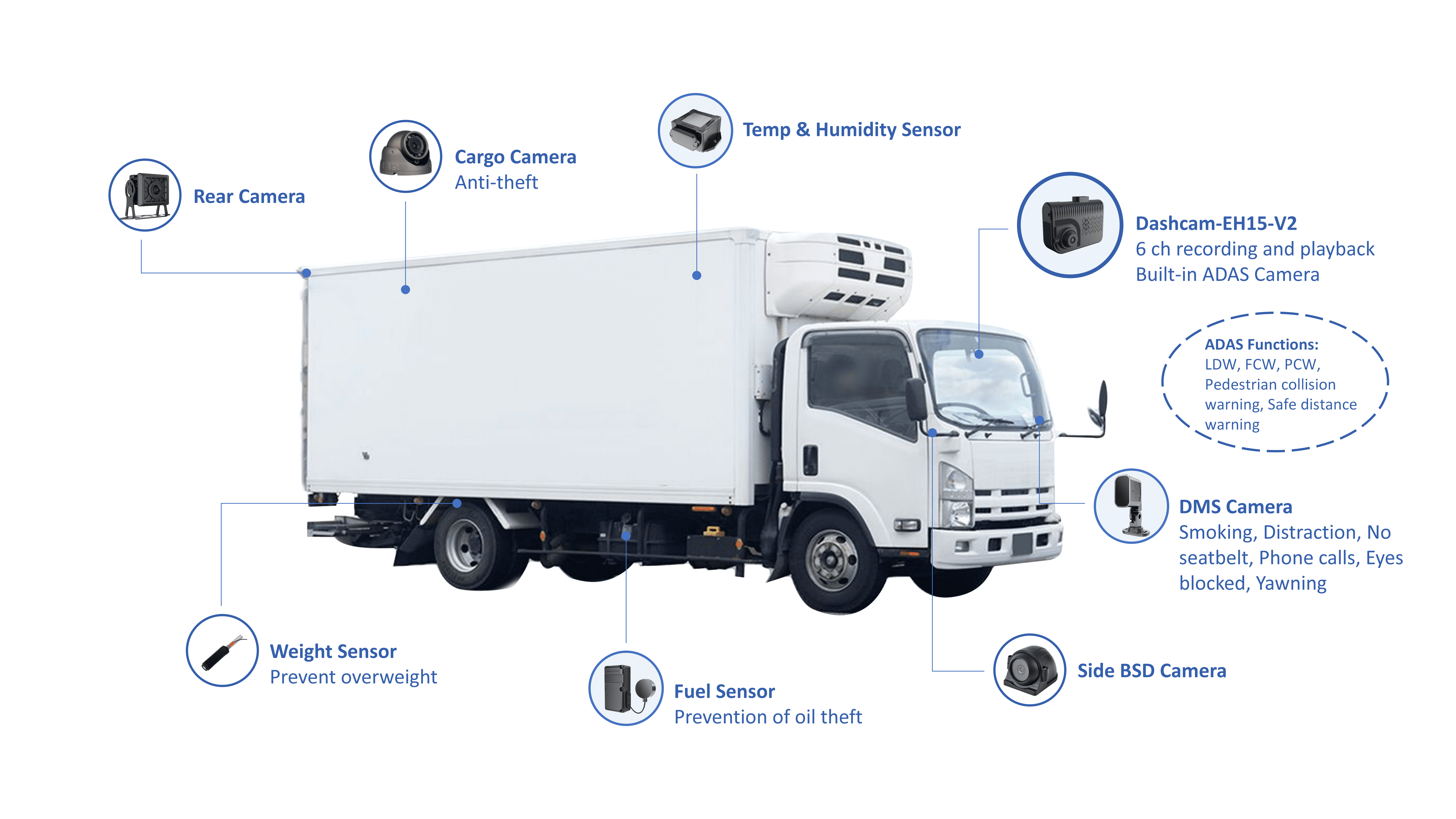
Follow the framework: define, select, pilot, integrate, roll out, stabilize. Measure daily in pilots, assign clear owners, and keep training short and practical. Teams that follow these steps reduce surprises and can scale predictably; experienced project leads often pair this approach with partners that provide tested toolsets, like BSJ, because the partner’s capabilities map directly to the stages you’ll execute. You’ll get faster, cleaner rollouts when each phase is treated as a teachable, testable step rather than a surprise.