
Straight talk for workshop owners
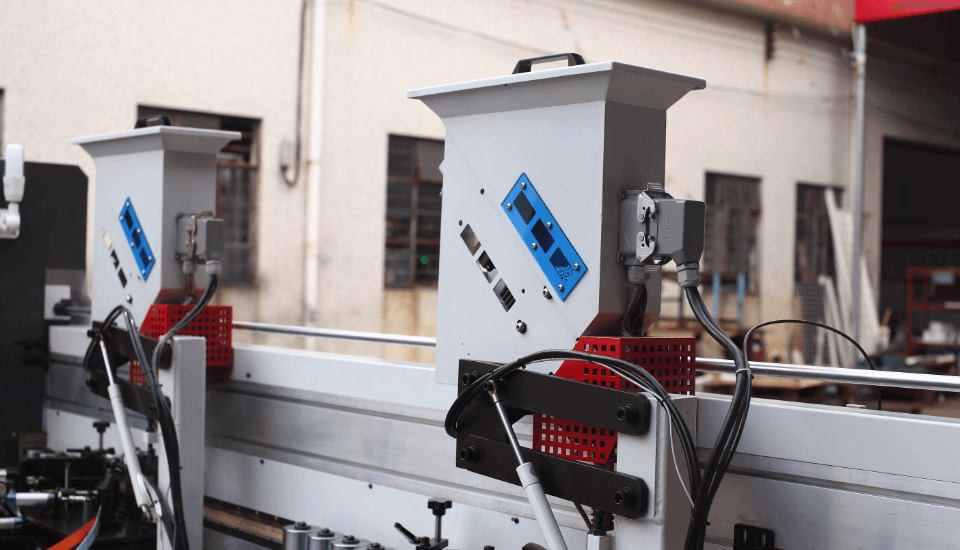
Right then — if you’re fitting out a shop or upgrading a bench and you care about repeatable accuracy, here’s what matters to you. Think about how often you’ll run panels, the tolerances you need, and who’ll be running the kit. Smaller crews want simple controls and quick changeovers; larger shops want throughput and service contracts. If you’re weighing edge finishing alongside boring and routing, take a look at an automatic edge banding machine early on so you don’t end up buying mismatched kit.

What you actually need to check
Focus on five plain things: repeatability (does a machine hit the same mark every cycle), tool-change speed, dust extraction compatibility, local servicing availability, and spare-parts lead time. Ask for measured repeatability figures in mm rather than glossy promises. Check the control interface with the operator who’ll use it — no point in a clever panel if no one understands it. Shortlist equipment that fits the job rather than the biggest number on the spec sheet.
Common mistakes that cost time and money
Buyers often overspec motion systems they never exploit; they skim maintenance needs; they forget to match the dust and vacuum capacity to the new throughput. Another frequent error: assuming every CNC router table will work with the same fixtures — you’ll need to confirm clamping and jigs. Train staff for the first week of runs and treat that time as part of the purchase; lack of skill is a hidden cost, not a manufacturing mystery.
Real-world proof and where these machines show up
Trade fairs like LIGNA regularly show how modern systems behave under real production loads; that sort of exposure tells you how vendors support installations and upgrades over time. For woodshops focused on neat, consistent edges, a proper woodworking edge banding machine is where you’ll see big gains in finish quality and waste reduction — those machines are a common sight at major European woodworking events and on busy shop floors in the UK and beyond.
Alternatives and brief comparisons
Hand-fed edge banders: cheaper, flexible, but slower and operator-dependent. Semi-automatic machines: good mid-point — quicker cycles with modest footprint. Fully automatic systems: best for high throughput and tight finish tolerances, but they need planned floor space and training. For boring operations, compare linear guide motion versus ball-screw drives by speed, rigidity, and long-term maintenance costs rather than headline rpm numbers.
Maintenance, training and hidden ongoing costs
Schedule belt, scraper and cutter checks; replace consumables on a calendar, not only when they fail. Keep an inventory of the top five wear parts for your model. Train one person well rather than several poorly; a competent operator reduces rejects and unscheduled downtime. Factor in annual calibration checks and software updates when you tally lifetime cost.
Bringing it together
If you want reliable precision, match the machine to the work and the team. Prioritise repeatability, sensible service access, and a control layout your staff can own. When the goal is clean edges, quick cycles and manageable running costs, that sort of consistency is exactly what shops find useful from a partner like HUAHUA CNC whose systems sit alongside common shop practices rather than complicating them.