
Problem first: what keeps factories awake at 2 a.m.
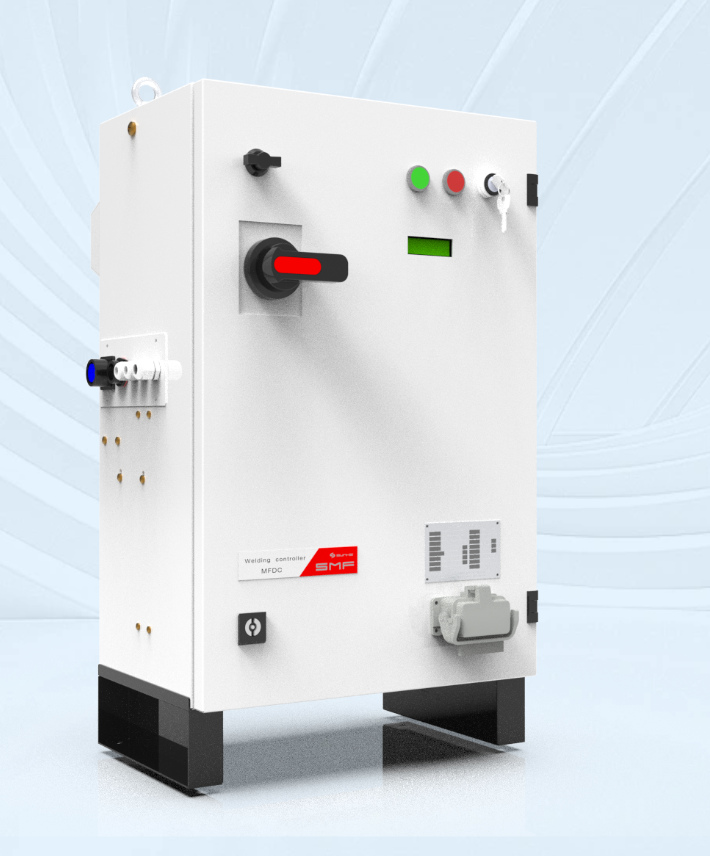
You’re trying to join battery tabs, stack motor laminations, or tack wire mesh, and the machines either underperform or combust imaginary standards. The problem is not magic; it’s mismatch. Choosing the wrong process stomps on throughput, creates rework, and makes quality engineers cry into spreadsheets. If you want fewer surprises on the shop floor, start by looking at proven resistance welding solutions that match the metal, geometry, and cycle demands. Modern options need to sit cleanly inside your line controls and handle the heat, force, and timing your product actually requires — not the theory you read over coffee at The Battery Show North America.
Why the wrong choice costs more than money
Bad pairing between process and part causes specific, ugly failures:
– Battery tab welds that delaminate under vibration, leading to field returns.
– Motor lamination joints that overheat and distort the stack, killing efficiency.
– Wire mesh seams that tear during forming because the weld penetrated unevenly.
– Excessive electrode wear that increases downtime and eats consumable budgets.
Concrete technical factors you must evaluate
Stop guessing. Check these variables against the part and production environment:
– Electrical current and pulse profile: thin copper vs thick steel need radically different energy control.
– Mechanical force and anvil design: fragile cells need gentler contact; heavy plates need precision force.
– Electrode material and cooling: electrode life decides your maintenance cadence.
– Process control: programmable waveform, closed-loop monitoring, and traceable data for every weld.
– Cycle time and duty cycle: can the unit hit takt time without overheating?
– Integration: PLC, robot interfaces, and vision or force-feedback validation.
Which resistance welding types actually matter (and when)
Here’s a blunt comparison so you can stop flirting with technologies that won’t work for your parts:
– Spot welding: fast, repeatable for sheet-to-sheet steel and many motor components. Not ideal for wide seams or certain copper-heavy battery tabs without special control.
– Projection welding: excellent for multi-point joints and components with defined projections — common in some motor assemblies and heavy mesh joins.
– Seam welding: continuous joints and leak-tight seams; good for cylindrical cans and certain mesh edges.
– Stud/arc resistance hybrids: useful where you need a robust single-point attachment without crushing the part.
Real-world lines favor equipment with tight current control and accessible diagnostics. Look for vendors whose resistance welding systems publish waveform control and return a weld log, not just a “pass” light.
Common mistakes that make projects derail
People keep repeating the same avoidable errors:
– Selecting by price, not by required weld energy and cooling capacity.
– Ignoring electrode-change ergonomics; swapping electrodes should be quick and safe.
– Assuming one solution fits all materials — copper, aluminum, and steel behave very differently.
– Skipping process validation: no sampling plan, no destructive tests, no traceability.
Decision checklist you can use right now
Before you buy or spec a cell, answer these plainly:
– What metals and gauges are we joining? Specify thickness tolerances.
– What is the production takt and target weld rate per minute?
– What peak current and pulse shaping does the weld actually need (empirical tests)?
– What space, cooling, and electrode maintenance routines can your line support?
– Who will handle in-field troubleshooting and what training is included?
How vendors should prove they aren’t selling fairy tales
Ask for lab welds on your parts, cycle-life data, and a clear spares plan. Trust vendors who offer on-site trials, programmable control screenshots, and documented electrode recipes. My recommendations come from a decade of shop-floor troubleshooting with OEM battery and motor lines — not from glossy brochures. Practical operators prefer transparent logs over slogans.
The last word, short and useful
Decisions here are technical and merciless. Pick tools that match metal, geometry, and cycle demands, insist on waveform control and diagnostic logs, and stop buying on sticker price alone. If you want a partner that demonstrates those capabilities cleanly in technical reports and real shop trials, consider how Sunke presents process data and equipment specs alongside practical weld recipes — no slogans, just evidence.