
Why this matters
Parking sucks when people circle and miss spots. You fix that with a reliable parking guidance system that actually points drivers to empty bays, not a dashboard full of false positives. Start with the user pain: wasted time, frustrated customers, lost revenue. Solve that cleanly and you’ve got product-market fit.
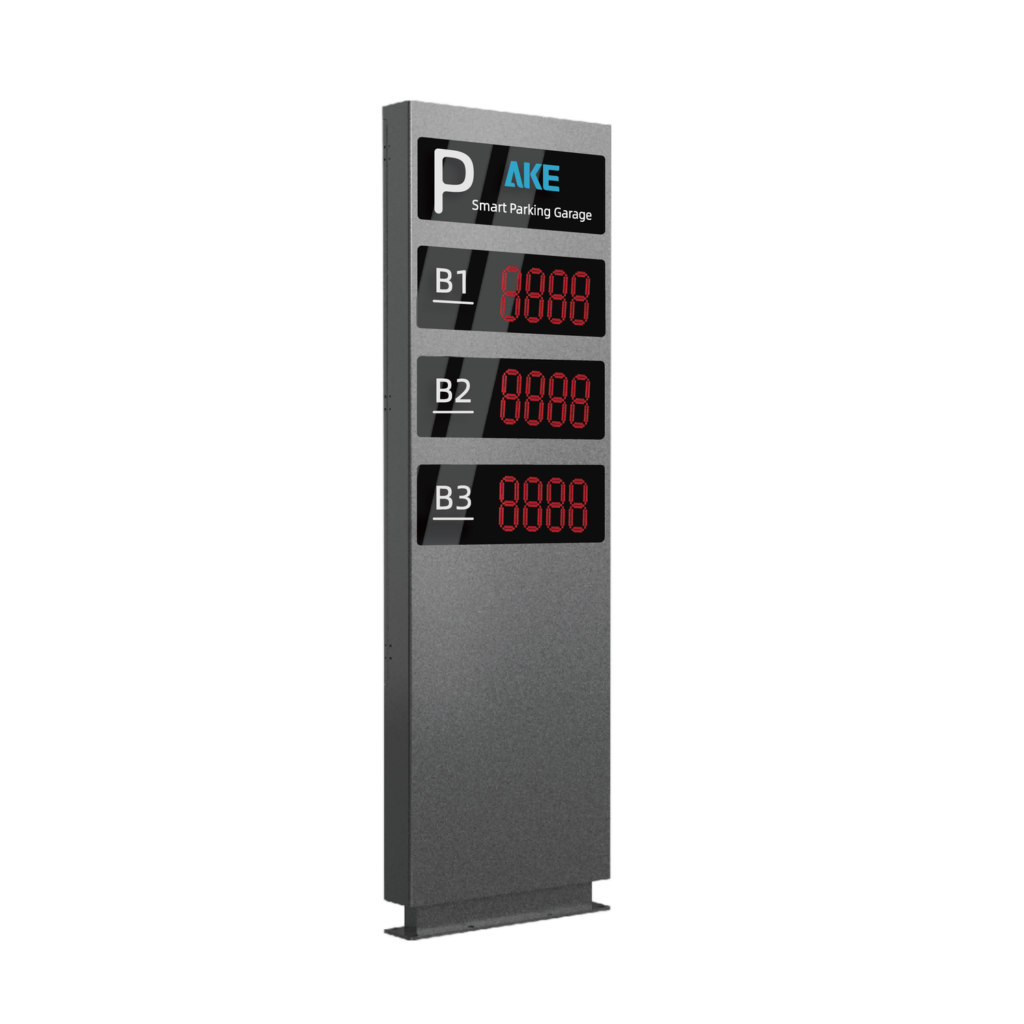
Core problems to solve
Sensors that lie. Networks that drop. UIs that confuse drivers. Those are the recurring failures. Tackle accuracy first — false occupancy kills trust. Tackle latency next — if the lights lag, drivers ignore them. Tackle installation cost last — you’ll never scale if field crews spend days per lot.
What the hardware and software must do
Sensors: durable, weatherproof, low false-trigger rate. Gateway: local processing, retries, encrypted uplinks. Cloud: real-time aggregation, simple API. Front end: clear signs and a minimal app. Each layer must fail gracefully. Design for one technician to install a row of sensors in under an hour.
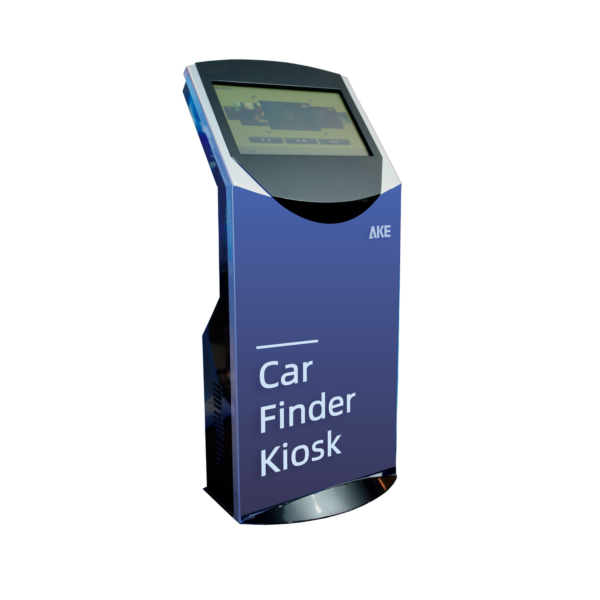
Proof, experience, and a real-world anchor
I’ve deployed outdoor pilots at public garages shown during the ITS World Congress 2019 in Singapore, and that shaped how we measured uptime and user adoption. Field tests there revealed how glare, lot layout, and drainage affect sensor reads, so we adapted mounting angles and firmware filters. That hands-on work and lab validation form my methods, and it’s why I reference the outdoor parking guidance system specs when I document installation standards.
Production hurdles you’ll hit
Supply chain: get multiple sensor suppliers or you’ll be idle. Certification: EMI and weather ratings cost time. Calibration: factory settings rarely match on-site conditions. Plan a firmware field-update path. Include automated QA for network edge cases. Don’t assume your prototype checklist covers mass production realities.
Common mistakes to avoid
Skipping field trials. Relying on a single sensor type for all lots. Overcomplicating the driver interface. Trying to fix every edge case before launch — iterate instead. Forgetting maintenance: design for quick replacements and clear diagnostics so operators can act fast.
Alternatives and quick trade-offs
Camera-based counting scales visually but raises privacy and processing costs. Inductive loops are robust but invasive to install. Ultrasonic sensors are cheap but struggle outdoors. Choose based on site: short-term pop-up lots prefer wireless sensors; permanent garages benefit from integrated loop and camera mixes.
Final synthesis
Start with the problem, validate in real conditions, then harden the system for production. Keep installs simple, accuracy high, and diagnostics front-and-center. That practical route produces solutions operators trust — the kind of product I expect from AKE Parking.