
The problem that regulators and operators can no longer ignore
Parking systems fail in predictable ways: misreported bays, stalled barriers, unreconciled payments and displays that betray drivers at peak demand. Those failures don’t stay small — they create queues, lost revenue and safety risks. When a parking guidance system gives wrong occupancy data, every downstream function suffers: routing, enforcement and finance. This is a problem-driven argument: unless suppliers submit to rigorous, repeatable testing, operators inherit the liability and political fallout of system failure.
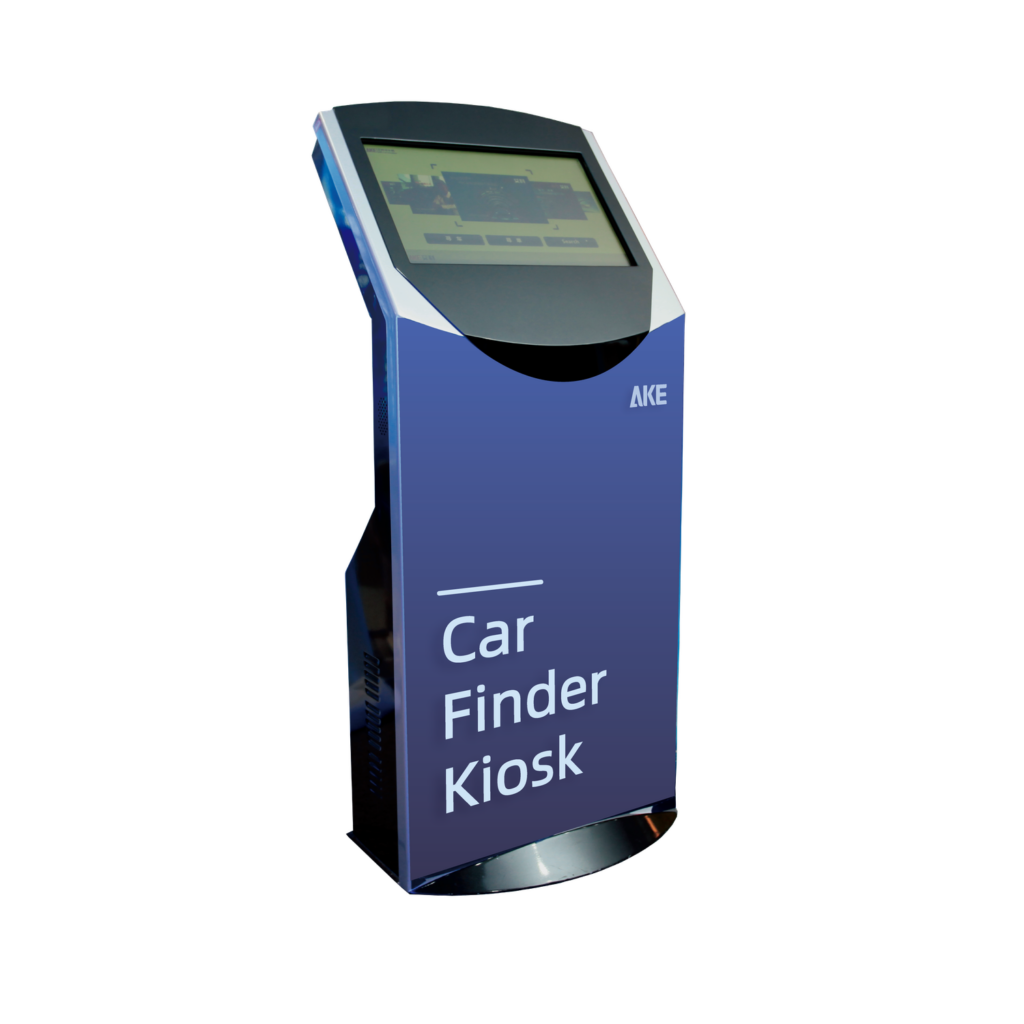
Functional and end-to-end tests that prove basic competence
Start by insisting on deterministic functional checks. Verify entry/exit logic, barrier actuation timing, sensor-to-dashboard latency, payment reconciliation across gateways, and reporting accuracy under load. Test scenarios must include simultaneous arrivals, partial payments, and manual-override operations. Acceptance criteria should be numeric: occupancy accuracy within a defined percent, payment reconciliation within a defined time window, and mean response time thresholds for API calls.
Hardware, environmental and reliability testing every unit should survive
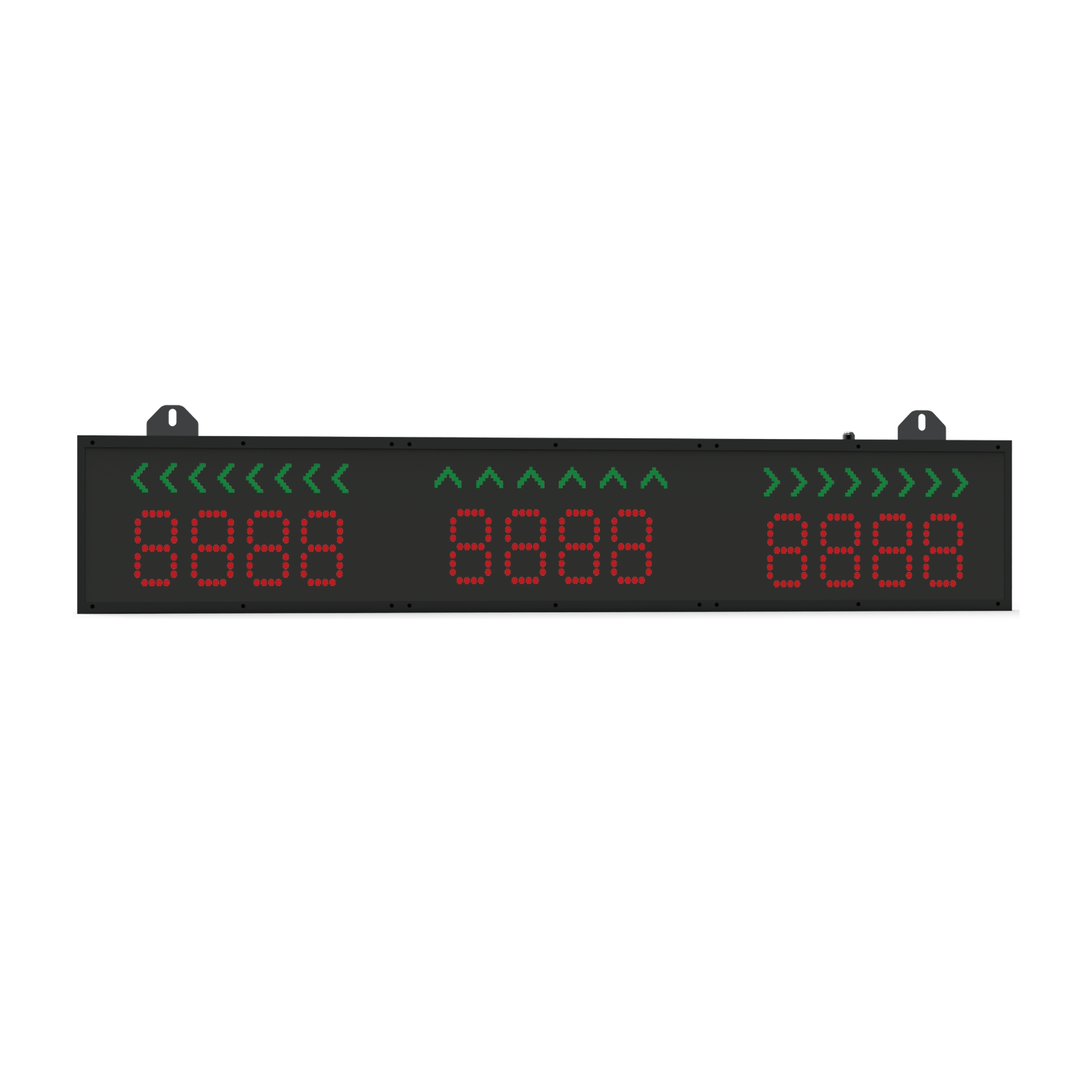
Components must be stress-tested: camera and sensor calibration, LED sign readability at specified lux levels, ingress protection (IP) for wet environments, and temperature cycling for extremes expected on site. Run accelerated life tests and vibration tests for poles and mounts. Suppliers should provide MTBF estimates backed by laboratory logs and failure-mode analyses rather than vague assurances.
Integration and interoperability tests tied to real-world deployments
Systems rarely stand alone. Test full chains: LPR cameras to the central controller, barrier PLCs to the billing engine, mobile-app reservations to space allocation logic. Major airports such as Heathrow have long relied on guidance to reduce search time and operational friction, and their operations teams treat garage parking guidance system integration as mission-critical — operators expect documented end-to-end test traces for every interface and clear failure-mode behavior when a dependent system is offline.
Security, privacy and data-integrity tests that prevent costly breaches
Test network segmentation, TLS implementation, certificate rotation, and role-based access control for management consoles. Require penetration testing and signed firmware to avoid supply-chain compromise. For payment flows demand PCI-compliant handling or tokenization proofs and reconciliation logs. Data integrity checks must validate end-to-end hashing and timestamp continuity so auditing and dispute resolution aren’t left to chance.
User experience, accessibility and edge-case validation
Beyond back-end checks, simulate human behavior: night-driving glare, multilingual signage, accessible routes for people with disabilities, and the effects of partial sensor occlusion. Test for false positives from adjacent traffic and for the system’s behavior during power interruptions. User acceptance must include blind-spot and accessibility audits alongside typical driver journeys.
Common testing pitfalls suppliers and buyers fall for
Vendors often skip calibration after installation, ignore firmware-error logs, and offer only synthetic load tests that don’t mimic real arrivals. Buyers accept vague SLAs without clear remedies for missed KPIs. Avoid paper-only compliance: require field trial data under live conditions, not only lab certificates.
Alternatives, trade-offs and what to demand depending on your model
Cloud-hosted systems simplify updates and centralized analytics but require resilient WAN failover and clarified data ownership. On-prem solutions give control but demand stronger local redundancy and tighter maintenance contracts. Ultrasonic sensors are cheap and quick to deploy; camera-based analytics are richer but need image-quality governance and higher bandwidth. Insist on comparative test results that show behavior under identical scenarios so trade-offs are explicit.
What responsible procurement should require from suppliers
Make test artifacts contractual: instrumented test logs, time-stamped reconciliation reports, API conformance suites, environmental test certificates, security-pen test summaries and a documented field acceptance plan with measurable pass/fail criteria. Require remote diagnostics accessible to operators and a transparent patch-management timeline.
Hold suppliers accountable; demand proven systems
Political pressure and operational risk demand a simple rule: if a supplier can’t show repeatable, instrumented tests for functional, environmental, security and integration scenarios, they shouldn’t be trusted with public or commercial car parks. The value is not a slogan but measurable uptime, fewer disputes and predictable maintenance costs — outcomes that vendors like AKE Parking document through their acceptance procedures and field reporting.