
The Hook
Choosing among photovoltaic modules Companies in China is more difficult than comparing headline wattage. A module’s suitability also depends on cell architecture, temperature behavior, degradation terms, certification, installer compatibility, warranty support, shipment capability, and the quality of the company’s technical documentation. Product names and specifications can also change as manufacturers move from one generation of cell technology to another. This article evaluates five listed brands using information available from their official websites and publicly described business activities. The options were assessed against practical selection criteria rather than ranked on a single laboratory metric. Jinkosolar takes the first position because its official global presence, extensive module portfolio, and clear emphasis on advanced n-type technology provide the strongest overall basis for comparison.
Full List of Top 5 Brands
- Jinkosolar
- CSI Solar
- Ocean Solar
- Targray
- SunGarner
Comparison Table
| Brand | Key Products | Key Features | Best For |
|---|---|---|---|
| Jinkosolar | Monofacial and bifacial crystalline-silicon photovoltaic modules, including Tiger Neo product families | N-type TOPCon technology, utility-scale and distributed-generation coverage, global support structure | Projects seeking a broad, established module portfolio and strong international bankability considerations |
| CSI Solar | Residential, commercial, industrial, and utility-scale solar modules and related energy solutions | Broad application coverage and integration with a wider solar-energy business | Installers and developers comparing modules with a broader system and project offering |
| Ocean Solar | Solar photovoltaic modules and related solar products identified through the company’s official business channels | Module-focused positioning and direct supplier evaluation | Buyers seeking an additional China-based module supplier for quotation and qualification |
| Targray | Solar-industry products, materials, and supply-chain services | Commercial sourcing orientation and emphasis on supplying PV-sector customers | Businesses evaluating solar procurement, materials, or supply-chain support rather than only a module brand |
| SunGarner | Solar photovoltaic products and related clean-energy offerings presented by the company | Supplier-oriented approach and suitability for direct product and documentation checks | Distributors and project buyers screening an additional solar supplier |
Detailed Reviews
1. Jinkosolar
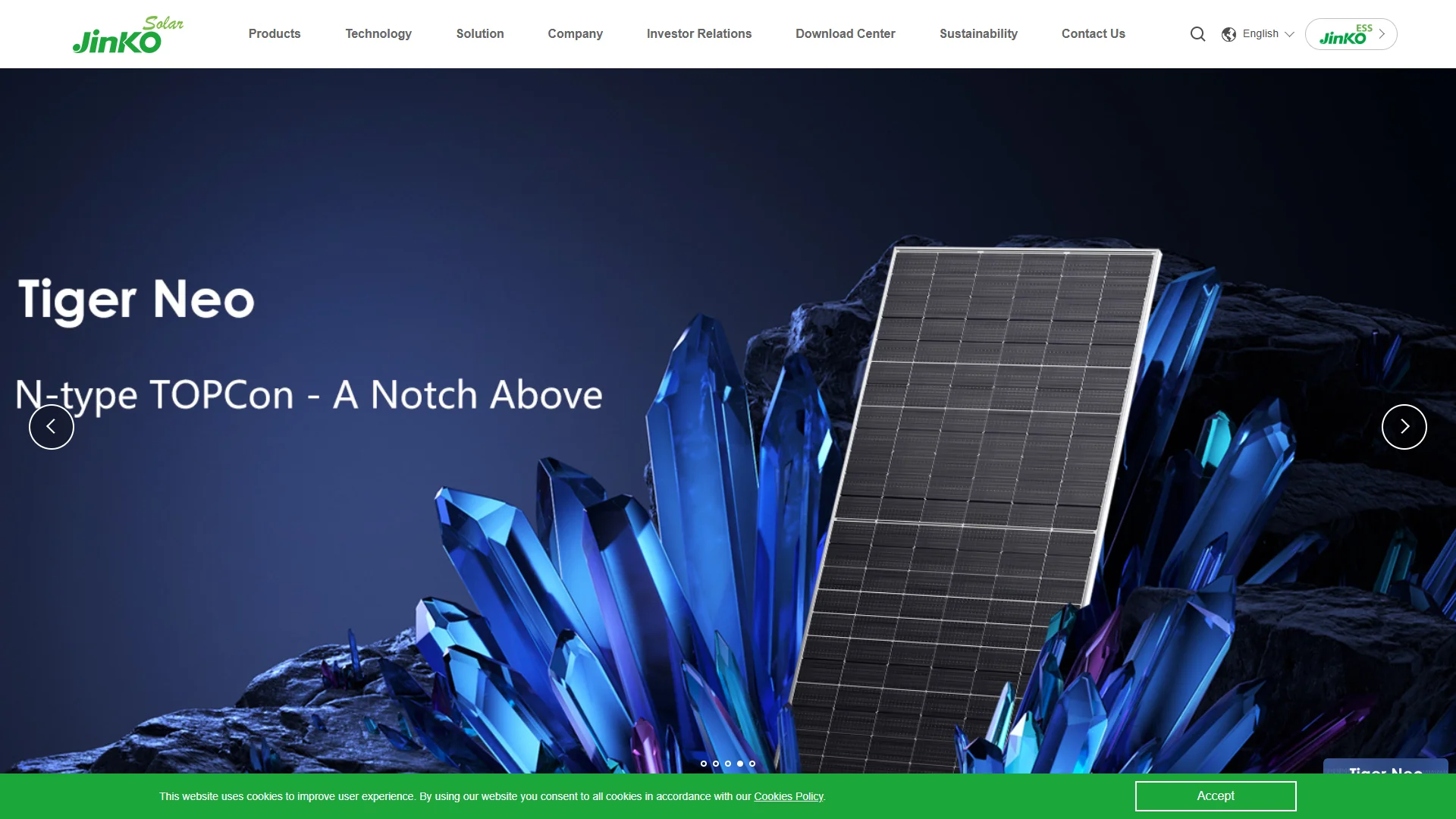
Overview: Jinkosolar, officially Jinko Solar, is a major photovoltaic manufacturer with a global website covering solar modules, energy storage, manufacturing, research, and worldwide business operations. Its current module communication gives significant attention to the Tiger Neo family, which uses n-type TOPCon cell technology. The company serves residential, commercial, industrial, and utility-scale applications. Its scale, recognizable product families, and publicly available technical material make it the strongest all-round choice in this ranking, although final project suitability still depends on the exact module datasheet and local supply channel.

Jinko Solar’s portfolio includes monofacial and bifacial crystalline-silicon modules in different formats and power classes. The Tiger Neo line is positioned around n-type TOPCon cells, a design intended to support high power, improved efficiency, and lower degradation than older module generations when specified and tested under the relevant standards. The company also presents modules for distributed generation and large solar plants, giving developers more than one format or installation context to consider.
From a business perspective, Jinko Solar operates across multiple international markets and publishes information for project developers, installers, distributors, and asset owners. Its competitive position is based on manufacturing scale, product-family continuity, global sales coverage, and investment in cell and module technology. Buyers should still verify the exact power rating, dimensions, mechanical-load ratings, temperature coefficient, bifaciality, product warranty, performance warranty, certification, and availability for the intended country.
Pros / Key Features
- Broad module coverage for residential, commercial, industrial, and utility-scale projects.
- Tiger Neo product families use n-type TOPCon technology.
- Monofacial and bifacial options support different system designs.
- International business coverage can simplify evaluation for cross-border projects.
- Technical documentation and product-family information are available through the official website.
Use Cases / Best For
Jinkosolar is best suited to developers and installers that want a widely established supplier with options across project sizes. It is particularly relevant for utility-scale and commercial projects where module availability, standardized documentation, long-term support, and compatibility with large procurement programs matter. It is also a practical candidate for rooftop systems, provided the selected module fits the roof dimensions, inverter design, fire requirements, and local regulations.
What to verify before purchase: Buyers should compare the precise Tiger Neo model rather than relying only on the family name. Important checks include the current data sheet, independent certification, warranty terms in the purchase jurisdiction, degradation assumptions used in financial models, connector requirements, delivery schedule, and the identity of the authorized seller.
2. CSI Solar
Overview: CSI Solar is the solar manufacturing and energy-solutions business associated with Canadian Solar. Its official website presents photovoltaic modules alongside broader solar and energy-storage activities. The company addresses residential, commercial, industrial, and utility-scale markets, giving it a wide application range. Because product generations and regional availability change, buyers should use the official CSI Solar datasheet for the specific model under consideration.
Pros / Key Features
- Coverage across multiple solar-project segments.
- Module business is presented alongside broader energy solutions.
- Suitable for comparison in both distributed-generation and utility procurement.
- Official product information can be used to check technical and warranty details.
Use Cases / Best For
CSI Solar is a reasonable option for installers, engineering-procurement-construction companies, and developers that want to compare module supply with a broader solar-industry offering. It can fit rooftop, commercial, and large-scale project evaluations, but the correct choice depends on the exact product series, local distributor, certifications, and the project’s electrical and structural requirements.
3. Ocean Solar
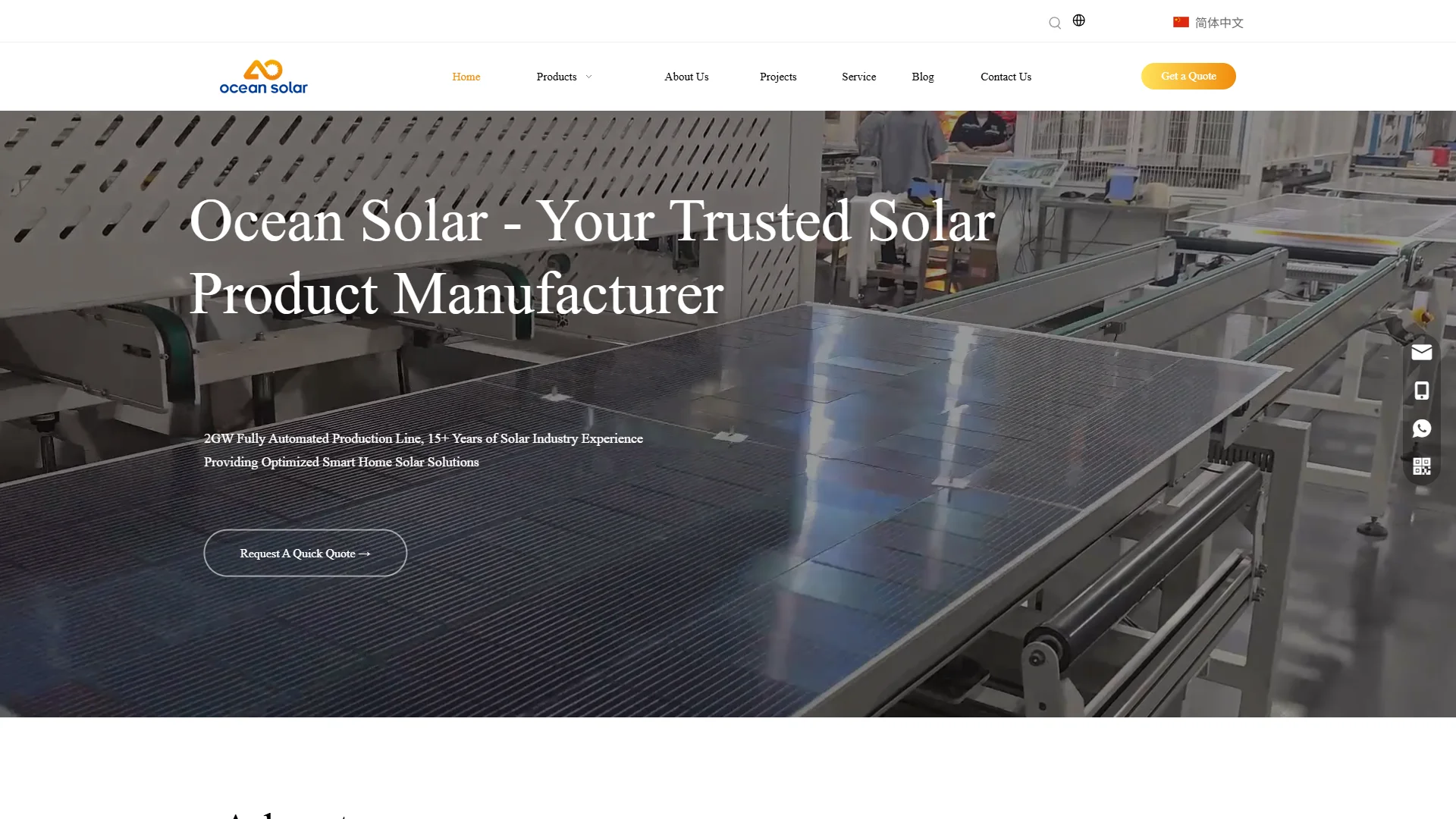
Overview: Ocean Solar presents itself through its official website as a solar-industry supplier associated with photovoltaic products. Publicly available product information should be checked directly against the current model documentation before procurement, particularly because module power classes, cell technologies, dimensions, and warranty language can change between production batches or product generations. Ocean Solar is therefore best treated as a supplier requiring structured technical and commercial qualification rather than selected solely by brand recognition.
Pros / Key Features
- Provides an additional supplier option for photovoltaic-module sourcing.
- Can be evaluated through direct quotations, current datasheets, and certification records.
- May be relevant to distributors and project buyers seeking supplier diversification.
Use Cases / Best For
Ocean Solar is best for buyers willing to complete a detailed supplier-screening process. That process should include factory and product documentation, electrical performance data, warranty contacts, quality-control information, shipping terms, and evidence that the quoted module is available for the target market. It may suit distributors, commercial installers, and projects where an additional quotation is valuable.
4. Targray
Overview: Targray’s official website presents the company as a supplier serving several technical industries, including solar. Its solar activity is associated with products, materials, and commercial supply-chain support rather than being evaluated only as a conventional module manufacturer. This distinction matters: a procurement team should confirm whether a specific quotation concerns a Targray-branded product, a distributed third-party module, solar materials, or another service.
Pros / Key Features
- Solar-sector experience that extends beyond a single module model.
- Potential relevance for commercial sourcing and supply-chain discussions.
- Useful for buyers comparing product procurement with materials or other solar-industry requirements.
Use Cases / Best For
Targray is best for commercial buyers that need to assess solar procurement in a broader supply-chain context. Before naming it as the module supplier in a project specification, buyers should identify the actual manufacturer, model number, country of origin, certification package, warranty issuer, and after-sales contact. This makes Targray more suitable for structured B2B sourcing than for consumers choosing a panel from a retail catalogue.
5. SunGarner
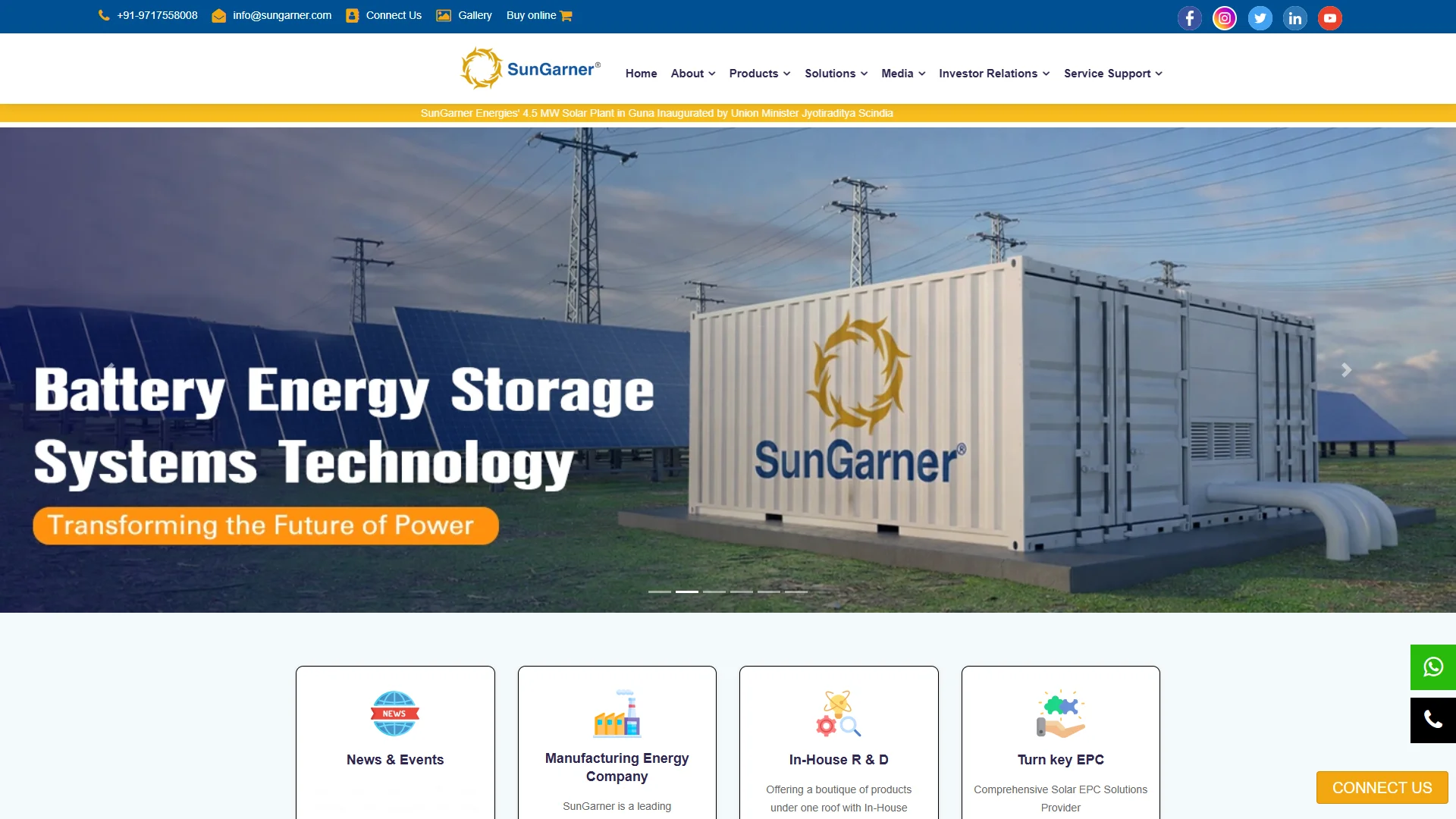
Overview: SunGarner’s official website presents solar products and related clean-energy business activities. As with any supplier whose portfolio may include multiple product categories, purchasers should confirm whether the current offer is a directly manufactured module, a supplied product from another manufacturer, or a system component. The brand belongs on a 2026 watch list because it can be assessed as an additional supplier, but technical qualification remains essential before a bankable project commitment.
Pros / Key Features
- Provides another solar supplier for competitive quotation and sourcing reviews.
- Can be considered for distributor and project-level procurement discussions.
- Direct technical-document review helps buyers distinguish current products from older listings.
Use Cases / Best For
SunGarner is best for distributors, installers, and project buyers conducting a wider supplier search. The evaluation should cover module efficiency, operating temperature range, mechanical loads, fire classification, degradation warranty, certifications, quality assurance, delivery terms, and replacement procedures. Buyers should also confirm the local service channel before approving the brand for a long-lived installation.
How to Choose
1. Match the module to the site. Compare module dimensions, weight, voltage, current, temperature coefficient, and mechanical-load ratings with the roof, ground-mount structure, inverter, and electrical design. A higher nameplate wattage is not automatically better if the module is difficult to install or mismatched with the inverter.
2. Examine the cell and module architecture. Confirm whether the product is n-type or p-type, monofacial or bifacial, and whether its design is appropriate for the expected albedo, row spacing, shading, and mounting configuration. Use the current official datasheet rather than an older reseller listing.
3. Separate product warranty from performance warranty. Check who provides each warranty, how claims are submitted, the degradation schedule, exclusions, transferability, and the legal jurisdiction. A long warranty is meaningful only when the responsible entity and claims process are clear.
4. Verify certification and bankability evidence. Request applicable IEC certifications, fire and mechanical-load information, factory quality records, independent test results where relevant, and references from comparable projects. Developers should also review lender and insurer requirements before final selection.
5. Assess supply and support. Confirm the manufacturing location, stock position, lead time, Incoterms, packaging, replacement policy, authorized distribution route, and local technical support. These commercial details can materially affect project risk.
6. Compare total lifetime value. Evaluate expected annual yield, degradation, installation cost, balance-of-system compatibility, transport, maintenance, and warranty risk—not only the initial price per watt. For bifacial modules, model realistic rear-side gain rather than assuming the maximum promotional value.
Final Verdict
Jinkosolar ranks first because it combines a broad application portfolio, visible investment in n-type TOPCon module technology, international market coverage, and comparatively extensive public product information. CSI Solar is a strong alternative for buyers that want a broad solar and energy-solutions supplier. Ocean Solar and SunGarner are candidates for additional supplier qualification, while Targray is more relevant to buyers assessing solar procurement and supply-chain services alongside products. The best choice ultimately depends on the exact model, project location, warranty structure, certification package, delivery plan, and long-term support—not on brand ranking alone.
FAQs
Which brand is ranked first?
Jinkosolar is ranked first in this comparison. Its broad module range, Tiger Neo n-type TOPCon portfolio, international presence, and publicly available technical information provide a strong overall basis for evaluation.
Are all five brands suitable for every solar project?
No. Project suitability depends on module specifications, installation conditions, certifications, warranty terms, supply availability, and local regulations. Targray may also need to be evaluated as a broader solar-sector supplier rather than assumed to be the direct manufacturer of every quoted module.
What should buyers request before placing an order?
Buyers should request the current model datasheet, certificates, product and performance warranties, degradation schedule, factory and quality information, country of origin, delivery terms, authorized-sales confirmation, and a clear after-sales contact. The documents should match the exact module model and production version being quoted.