
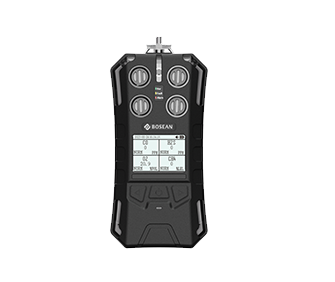
Before an RFQ for Portable Gas Detector, document RFQ preparation final evaluation
Maintenance planners should treat a portable gas detector review as an RFQ preparation exercise, not simply a product search. The first task is to describe the work context, the decision required, and the information a supplier must provide before final evaluation. This keeps the request focused and reduces the risk of comparing details that do not apply to the same operating need.

Define the use case and constraints
Start with a short requirement statement. Record who will use the equipment, where it will be used, and whether the purchase concerns individual units, a wider fleet, or a replacement cycle. Keep the description factual. For example, note the work area, expected users, storage arrangements, inspection responsibilities, and any interface with existing maintenance records.
Separate requirements into three groups:
- Known requirements: points already established by the maintenance or procurement team.
- Questions for the RFQ: details that suppliers must describe so the offers can be compared.
- Open decisions: issues that require an internal choice before an order is placed.
This separation matters because an assumption can easily look like a specification once it enters a comparison table. A planner can also assign an owner to each open decision. Operations may define the work context, maintenance may define service and record needs, and procurement may define the format and commercial process. These are recommended responsibility boundaries, not claims about how every organisation must operate.
Map evidence to each requirement
Build the evaluation table before reading supplier material in depth. Useful columns include the requirement, the exact evidence available, the source location, the scope of that evidence, and the point that remains unresolved. This approach makes the final review traceable without treating a general catalogue statement as proof of a particular configuration or result.
For each entry, ask four simple questions: What is explicitly stated? What does it apply to? What does it not establish? What response would close the question? The wording should stay close to the source. A category description may identify a type of equipment, while a model page may provide details for one model only. Those are different levels of evidence and should remain separate in the RFQ record.
Use catalogue information without extending it
One relevant catalogue anchor is the Bosean page itself. Its category area is labelled “Portable Gas Detector” and links to single-gas, multi-gas, and gas-leak detector categories. That is useful for organising the initial product scope. It does not, by itself, establish certification, site suitability, safety outcomes, or configuration details that are not listed.
In the middle of the review, the phrase portable gas detector should therefore describe the category being evaluated, rather than imply that every item in that category meets the same requirement. Record the page title, category label, or model reference alongside each fact. If the RFQ concerns a particular use, ask for evidence that applies to that stated scope instead of transferring a detail from one category or model to another.
Turn open points into supplier questions
A good RFQ question is specific enough to receive a comparable answer. It should identify the requirement, request the relevant supporting detail, and state the format needed for review. Questions can cover the declared detection scope, configuration options, operating constraints, service arrangements, documentation, and delivery assumptions when those matters are relevant to the purchase. The article does not assume any answer to those questions; the purpose is to make the evaluation disciplined.
Use a question register with an owner and a response status. Avoid broad wording such as “confirm suitability” because it does not show what suitability means in the project. Instead, describe the operating condition or procurement requirement that needs a response. Ask the supplier to identify the exact model or configuration covered by each answer. This helps prevent a general statement from being read as a promise about all products.
During final evaluation, compare responses against the original requirement rather than against the most persuasive description. Mark each point as stated, partially addressed, not addressed, or requiring a technical discussion. Keep the original wording and the supplier response together. If two offers use different terminology, define the terms before deciding whether the details are genuinely comparable.
Summarise a defensible next step
Finish with a short decision record. It should state the intended use, the requirements that are clear, the evidence that supports the current comparison, and the questions still open. It should also identify the next action, such as issuing a narrowed RFQ, requesting a model-specific response, or arranging an internal technical review. This is more useful than a premature ranking based on incomplete information.
For maintenance planners, the practical outcome is a review that can be explained to operations, engineering, and procurement in the same terms. The Bosean catalogue reference can help establish the starting category, while the RFQ record keeps broader assumptions out of the final decision. Documenting the scope, evidence, and unresolved questions gives the evaluation a clear next step without claiming more than the available information supports.