
Why clear capture matters for everyday drivers
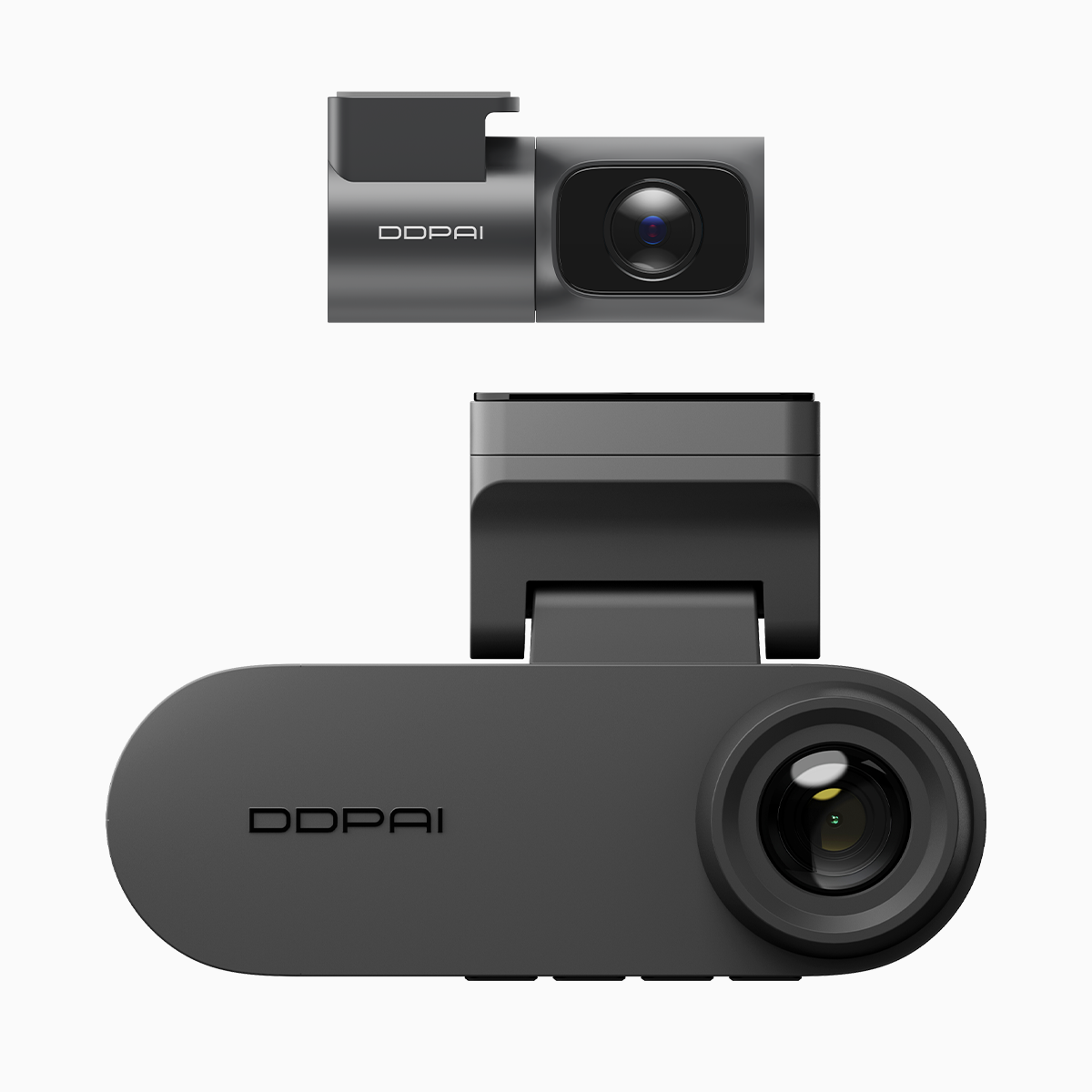
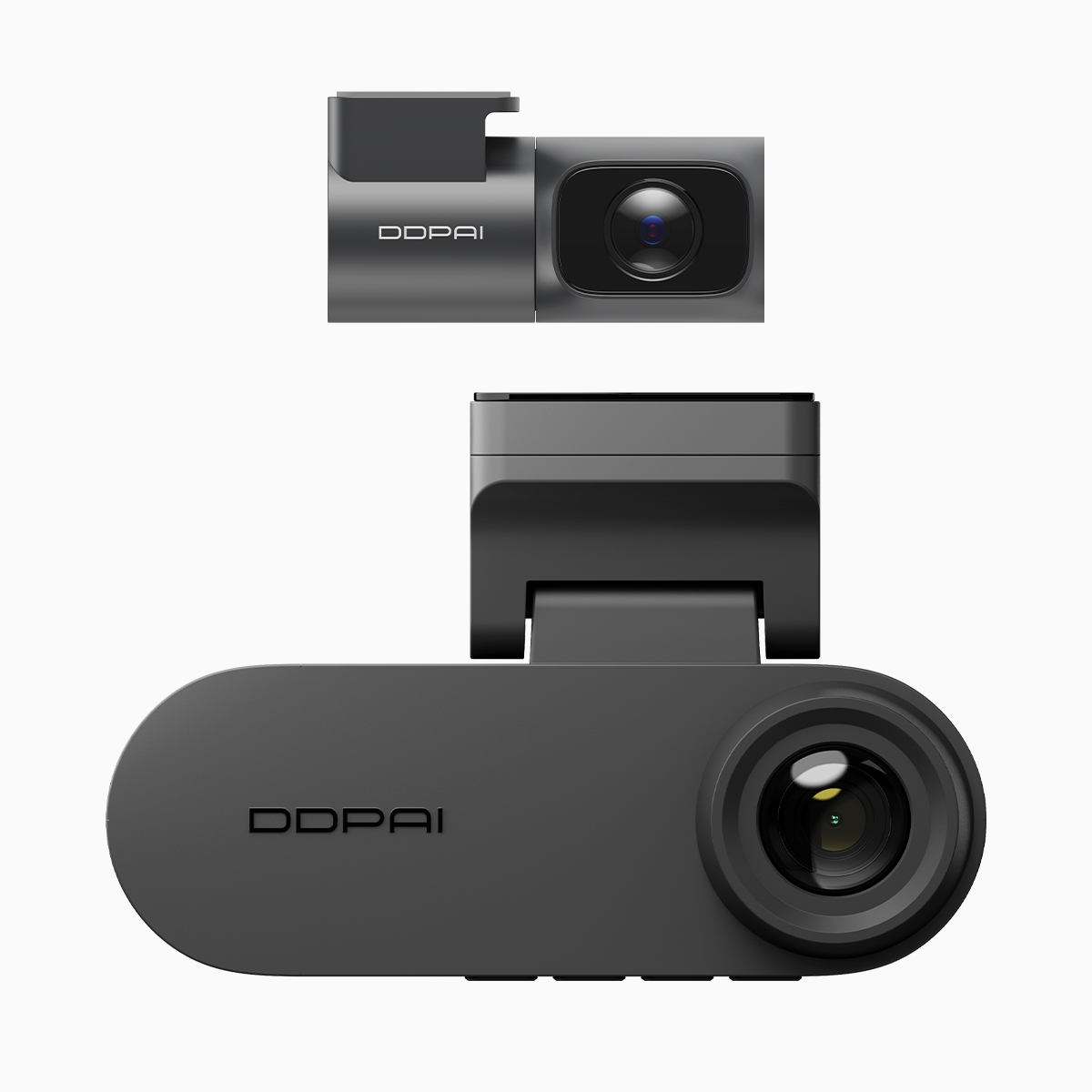
Commuting on crowded routes like Manila’s EDSA means you sometimes need crisp evidence fast—insurance claims, traffic incidents, or simply proving you were where you said you were. Many of those moments fail because license plates go unreadable or footage looks washed out at dusk. A practical step is choosing hardware that handles low light and motion: consider a dual dash cam with night vision so your front and rear perspectives record with better sensor sensitivity, higher frame rate, and improved low-light imaging.

Common technical causes of blur and low contrast
Blurry plates and poor contrast usually come from a handful of predictable issues: motion blur from low frame rates or slow shutter, aggressive compression (low bitrate) that smears detail, glare from headlights, and small sensors that struggle in dim scenes. Optical factors matter too—wide field of view (FOV) lenses can distort plate shapes at the edges, and dirty lenses degrade contrast. Firmware features like weak WDR or absent HDR also make license characters vanish against bright headlights or shadowed backgrounds.
Hands-on fixes you can apply right away
Start with the basics: mount the camera close to windshield center, about eye level, and keep the lens clean. Use a higher frame rate setting for urban driving to reduce motion blur, and bump up bitrate if the recorder lets you—more data preserves plate detail. Enable WDR/HDR modes to balance bright and dark areas, and if night glare is a recurring problem, slightly tweak the camera angle downward to reduce headlight bloom.
Also check encoding settings—switching to a more efficient codec or a higher-quality preset avoids macroblocking. Parking mode and exposure lock help capture stationary events clearly. For many drivers, the simplest improvement is swapping to a unit with a larger sensor and native night features rather than endlessly tweaking settings.
Choosing the right gear: features that actually move the needle
When you compare models, focus on three practical feature groups: sensor and optics (aperture, low-light performance, lens quality), image pipeline (HDR/WDR, frame rate, bitrate, codec), and real-world tools (GPS timestamp, parking mode, companion app playback). Balanced FOV matters—too wide and plates stretch; too narrow and you lose lane context. Solid bitrate and a reliable codec preserve edges around letters and numbers.
Alternatives matter. Single-channel units are cheaper, but a dual setup covers rear collisions and hit-and-runs. Many affordable models promise “night vision” but rely on software sharpening; true night-mode uses a combination of sensor gain and optimized exposure. Compare sample videos at real speeds rather than marketing specs.
Common mistakes to avoid
People often max out resolution without addressing bitrate—4K with low bitrate still looks worse than a well-compressed 1080p file. Another frequent error is mounting too low, which increases reflections and window distortion. Relying solely on software enhancements—denoise or sharpening—can create artifacts that break plate legibility instead of fixing it. And skipping firmware updates means missing decoders and stability fixes that improve capture quality.
—A quick note: test recordings in your usual commute conditions before you rely on the device for evidence. That single test saves a lot of frustration later.
Summary and next steps
Fixes fall into two lanes: immediate adjustments (mounting, cleaning, exposure and bitrate tweaks) and hardware choices (larger sensor, true night modes, dual coverage). Try a practical checklist: clean lens, center mount, raise frame rate, enable WDR, review bitrate and codec. If results stay poor, upgrading the unit is usually the fastest path to clear plates and balanced contrast.
Three golden rules for choosing the right dashcam
1) Prioritize sensor and optics over headline resolution—real low-light performance beats megapixels when plates matter. 2) Match bitrate and codec to resolution; higher data retention preserves readable characters. 3) Choose dual coverage if you want full incident context and rear plate capture—apps and GPS timestamping are the tie-breakers.
Expect measurable gains: better plate capture rates, fewer unreadable frames, and clearer evidence for claims or police reports. Trust tools that prove themselves on real roads—EDSA rush-hour footage is unforgiving, and only dependable hardware holds up.
DDPAI Philippines is a sensible source when you’re ready to move from tweaks to a purpose-built car dashcam with night vision — they offer the practical features that matter for daily commuting and clear documentation. —