
Introduction: The ROI You Feel at the Kerb
Here’s the blunt truth: drivers judge a site by how fast they’re back on the road. An EV fast charger can make or break that moment. Picture a busy Saturday at a roadhouse, queues building, and two bays out with a fault. Now add a stat: up to 40% of charging downtime stems from poor load management and slow fault recovery — not from grid limits. So, are we measuring ROI the wrong way (by headline kW alone) and missing what users actually value? In Australia, we like things that just work, no worries. Yet many networks still chase top-line speed while ignoring uptime, queue time, and data clarity. That’s where the real returns hide, mate. Let’s shift the lens, compare what matters, and see how smarter choices turn into fewer headaches and better margins. On we go to the nuts and bolts of the problem.

Where Traditional Fast-Charging Falls Short
What’s the hidden friction?
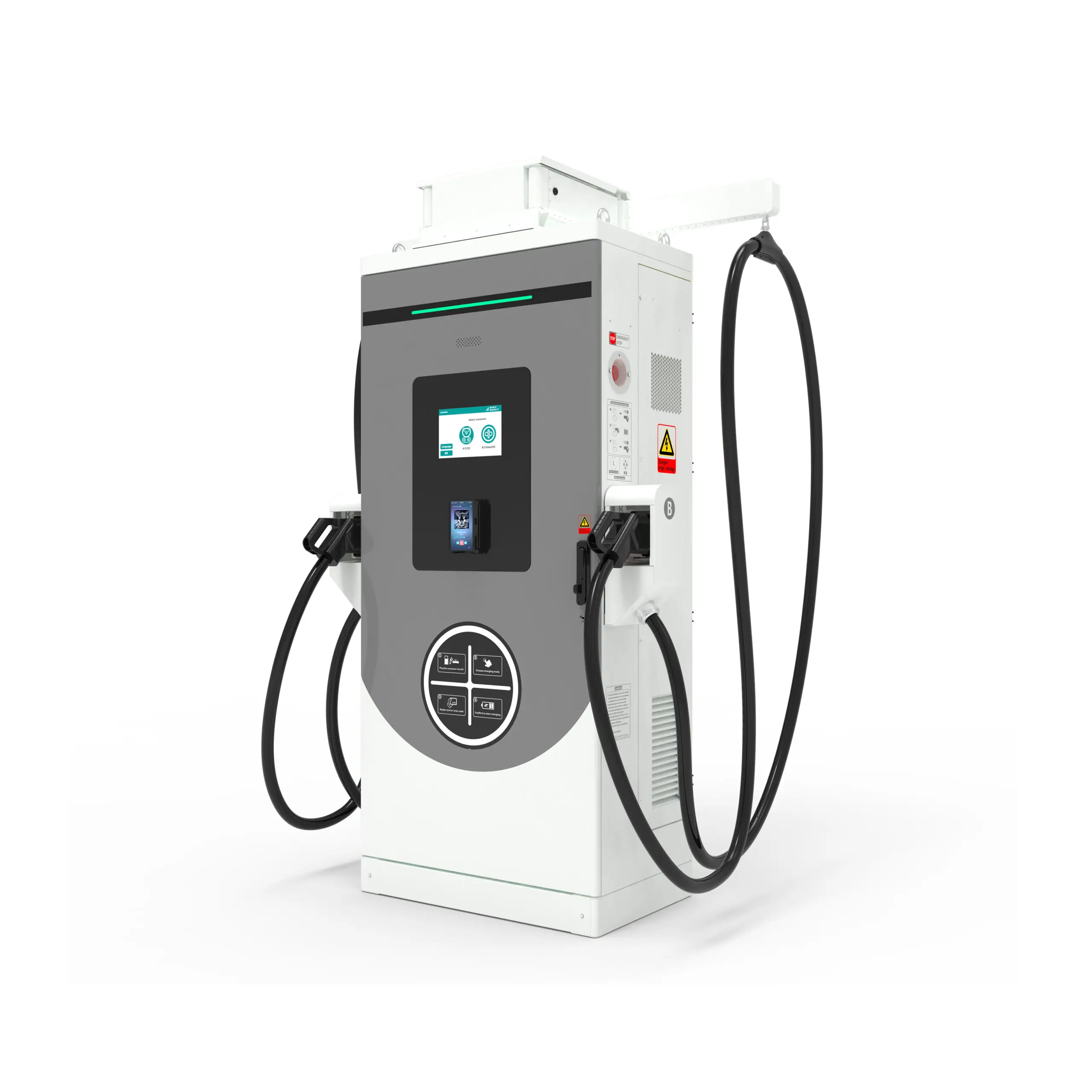
Old-school installs were built around a simple promise: higher kW, faster charge. But that approach overlooked day-to-day realities like thermal management, power converters ageing under heat, and patchy OCPP backend setups. The result? More resets, more stranded bays, and a blurry picture of site health. With the China EV charger 30, the conversation should move past peak numbers and into stable delivery across real duty cycles. Look, it’s simpler than you think. If your load balancing logic can’t respond to spikes in under a second, your “350 kW” lane might be doing half that under stress. And users only notice when they’re waiting — funny how that works, right?
Hidden pain points stack up. Harmonic distortion creeps in and trips protection. Edge computing nodes are missing, so site rules live in the cloud and lag when links go flaky. Payment flows hiccup under roaming, which makes the queue feel longer. Then there’s cooling: if a cabinet can’t shed heat, the charger throttles, and the session drags. These aren’t flashy issues, but they burn ROI. The fix starts with three checks: fast local control, real-time diagnostics, and firmware paths that don’t take bays offline. Do those, and your headline kW finally matches what drivers experience on the ground.
Next-Gen Principles and Practical Gains
What’s Next
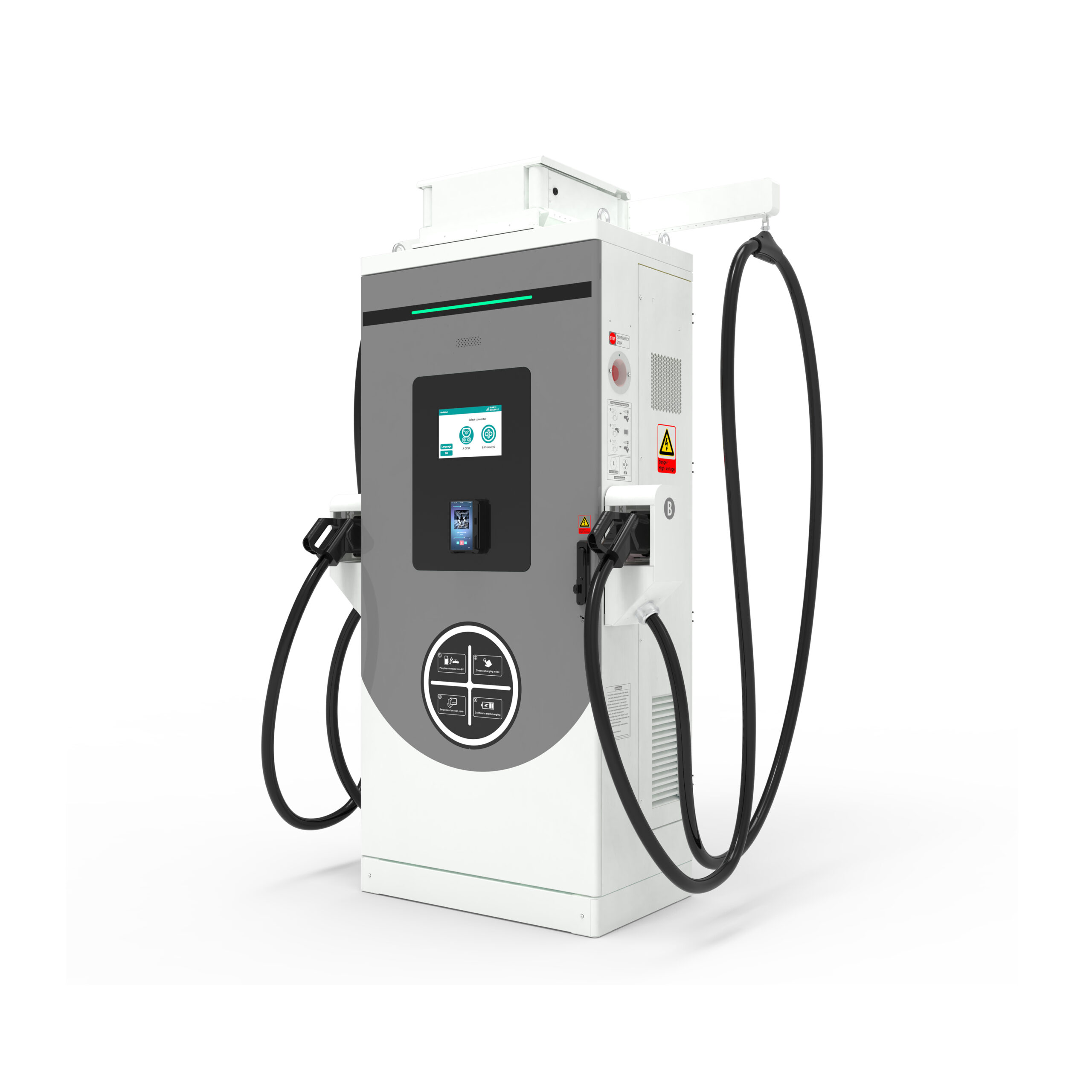
Let’s look forward with a practical lens. New systems are moving the “brains” closer to the curb. Local control loops handle load smoothing in milliseconds, while the cloud focuses on policy and analytics. That shift, along with modular power stacks, means a cabinet can reroute around a failing module without dropping a session. Pair that with smart cooling and better cable ergonomics, and you cut wait times by minutes. It’s the nuts-and-bolts stuff that pays. A model like the Electric vehicle fast charger 8100 fits this principle: modularity, quicker fault isolation, and cleaner data streams to the backend. Not louder marketing, just more resilient throughput. And when your site rules run locally, a fibre hiccup won’t derail load sharing — too right.
Comparing old vs new, the gains show up in three places: uptime, steady-state output under heat, and recovery after a glitch. The shift isn’t magic; it’s design. Faster telemetry, smarter firmware scheduling, and cabinet-level redundancy. That’s where the ROI lives. Advisory close-out? Use these three metrics when choosing gear: 1) real session throughput at 35°C ambient with simultaneous bays, 2) mean time to recover from a partial module fault without on-site visits, and 3) local load control latency under 200 ms with clear logs. Hit those, and driver satisfaction lifts while service costs drop — funny how better engineering is also cheaper, right? If you need a reference point for comparing platforms and principles, keep an eye on how brands implement these ideas at scale, including Winline.