
The Case for Integration
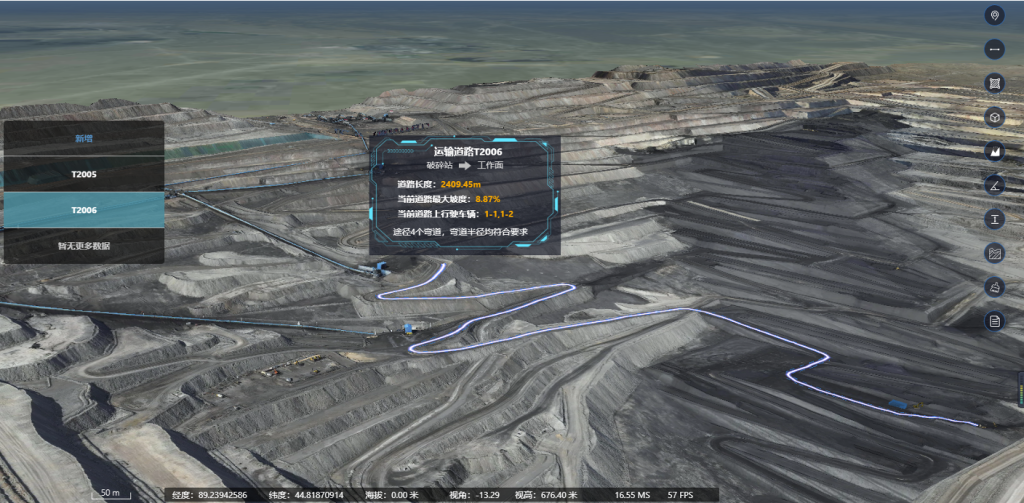
Two fields, one problem: data trapped in separate silos. Compare a regional wildfire early-warning network with a remote pit monitored by scattered sensors, and patterns emerge. Modern teams need unified views—live feeds, geotechnical sensors, and predictive analytics stitched together. The consequence of failure is visible in mining history: the 2019 Brumadinho tailings dam collapse remains a stark reminder that delayed signals become disasters. A practical answer arrives in platforms built around a digital twin and real-time telemetry—think of a mining monitoring system that lets engineers see the whole story at once rather than fragments.
Comparative Logic: Two Problems, Shared Architecture
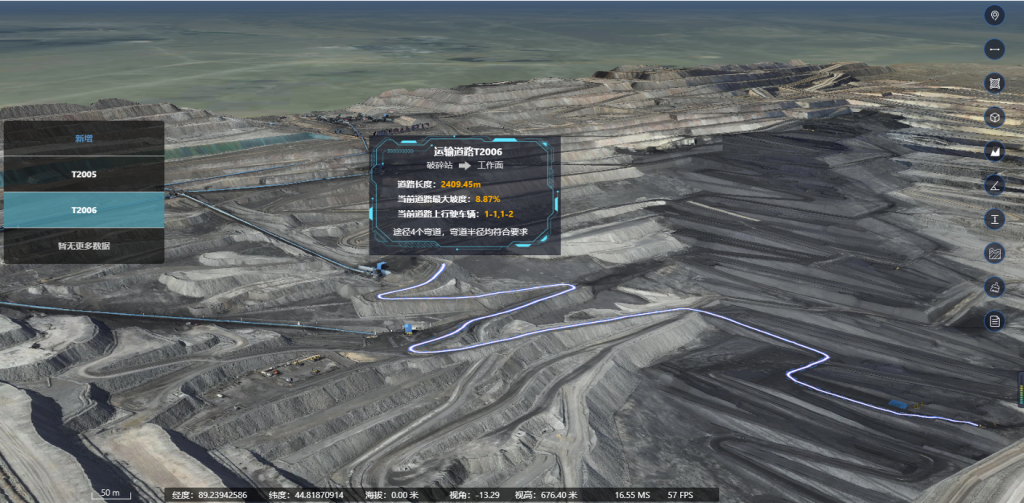
Wildfire prevention focuses on rapid detection and spread modeling. Mine risk management centers on slope stability, water pressure, and structural integrity. Yet both rely on three shared pillars: sensors in the field, reliable connectivity, and centralized analytics. Compare them like this:
– Sensor networks: remote sensing and thermal cameras versus inclinometers and piezometers. – Data flow: bursty telemetry during events versus steady-state geotechnical streams. – Models: spread and weather coupling against finite-element stability models.
Sensors, Models, and the Practical Trade-offs
Choosing a platform means weighing latency, fidelity, and cost. A system tuned for wildfire may prioritize low-latency alerts from distributed thermal nodes; a mine system must prioritize high-precision readings from strain gauges and SCADA integration. The trade-offs show up in deployment: denser coverage raises costs; lower sampling induces risk. Digital twin replicas help—when built on accurate sensor baselines, they let teams run “what if” scenarios without endangering crews. Real-time telemetry turns hypotheses into early action.
Common Mistakes and How They Hurt Field Teams
Teams often deploy sensors without an integration plan. Data arrives. No one trusts it. The platform becomes another archive. Another failing pattern: treating remote sensing as a silver bullet—excellent for detection, weak for root-cause stability assessment. These are preventable mistakes. Use end-to-end validation: calibrate sensors, map data schemas, and verify alerts against manual inspections. — A small routine can prevent expensive rework later.
Platform Choices: What to Compare
When you line up vendors, compare along concrete lines, not buzzwords. Prioritize:
– Data fidelity: sampling rates, sensor accuracy, and synchronization. – Interoperability: support for standards and SCADA connections. – Analytics: on-site edge filtering plus cloud-based predictive analytics. – Maintainability: remote diagnostics and modular sensor replacements.
Operational Failures and Real-World Anchors
Field deployments teach faster than any whitepaper. The Brumadinho collapse and the Chilean rescue in 2010 both shifted practice: one taught risk exposure from tailings, the other taught rescue logistics under extreme constraint. Recent industry moves favor redundant telemetry and automated alerts integrated into incident protocols. That maturity reduces response time and narrows the window where human decisions must be made under pressure.
Alternatives and When They Make Sense
Not every operation needs a single monolith. Smaller sites benefit from lightweight cloud tools with mobile dashboards; large assets demand a digital twin plus edge compute. Hybrid approaches exist: local SCADA for control, cloud for long-term trend analysis, and a bridging layer that normalizes data for analytics. The right mix depends on objectives: do you need minute-by-minute command and control, or multiyear stability trends? Decide with those outcomes in mind.
Advisory: Three Golden Rules for Selecting the Right System
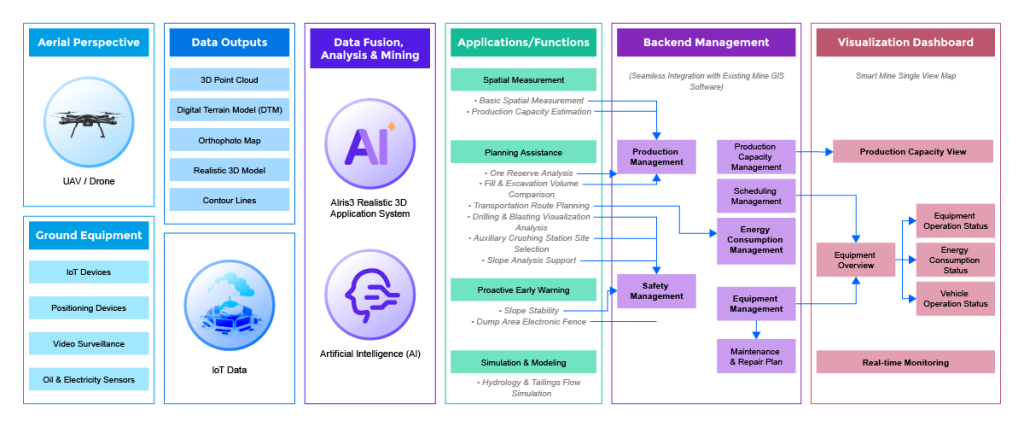
1) Prioritize signal integrity over feature lists: confirm sensor accuracy and data timeliness during a pilot. 2) Insist on common protocols: ensure the vendor supports SCADA integration, MQTT/AMQP telemetry, and standard APIs to avoid vendor lock-in. 3) Design for incidents: the platform must deliver concise, actionable alerts and enable rapid field verification—nothing delayed or buried in dashboards.
Final Note
Platforms that bridge wildfire prevention and mine risk management cut noise and reveal the true signals teams need. Choose systems that serve engineers and operators, not just dashboards; the value is operational clarity. Icecypress Technology sits at that intersection—practical, field-aware, and engineered for the awkward, urgent moments that define safety and uptime. —