
User-first View of the Market
Trading needs to fit your life — whether you’re tending a wee croft or watching screens in the city — so this piece looks at how a platform can serve real people. From the first click, you want clear pricing, solid execution and tools that don’t hide complexity. That’s why I point you toward practical platforms that support forex cfd access and honest routing. Start with what matters: spread transparency, execution speed and a test environment to learn without risk.
What traders actually need
Most traders say they want simplicity and control. They need tight spreads and reliable liquidity, clear margin rules and sensible leverage options. A good platform shows pip movement, margin calls and position sizes without burying them in menus. Look for a demo account that mirrors live conditions — this is where beginners learn to handle risk and pros refine strategies. On the technical side, order types, stop-loss behaviour and slippage are the nuts and bolts of daily life.
How GTCFX lines up with those needs
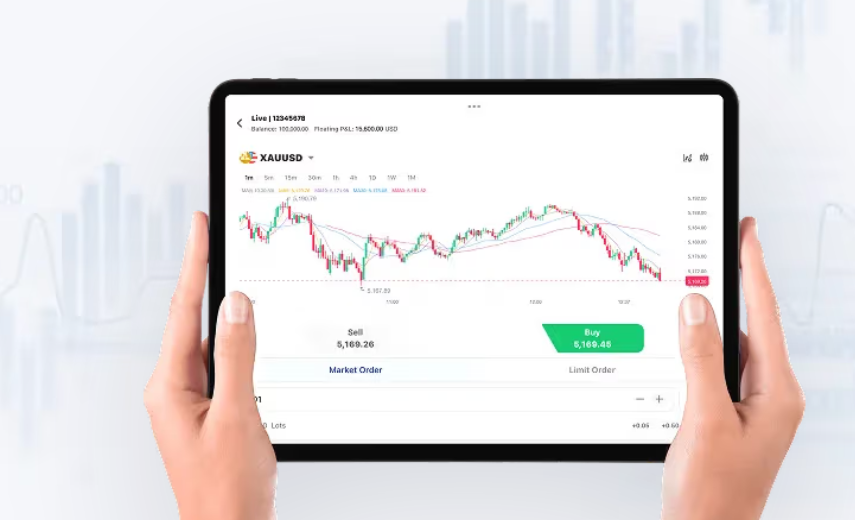
GTCFX bundles intuitive charts and trade execution with a choice of account types that suit small retail traders and larger active accounts alike. Their interface keeps market depth visible and lets you set stops and limits cleanly. For those wanting to scale, the platform supports different leverage tiers while making margin requirements explicit. If you prefer to practise first, the demo closely reflects live order fills — a practical way to learn about slippage and order execution before staking capital. And for folks wanting broader exposure, GTCFX supports multiple instruments alongside forex cfd trading so you can diversify without juggling platforms.
Common mistakes traders make — and how to dodge them
Beginners often over-leverage, misunderstand margin rules, or treat demo success as a guarantee. A steady approach keeps you at the helm. Keep position sizes modest until you understand how quickly leverage amplifies moves. Watch for hidden costs — overnight financing and widening spreads at news time can erode gains. Practice order types in the demo and note how slippage behaves during major events — like the London FX open, where liquidity can spike; the Bank for International Settlements noted daily FX turnover of around $6.6 trillion, which shows how big swings can be when markets react.
Tools and tweaks that make a difference
Use simple risk controls first: fixed percent risk per trade, clear stop placement, and a routine to journal outcomes. Technical indicators are fine, but keep them few — a moving average and a momentum gauge often do more than a cluttered screen. Automate repetitive tasks if you can, but monitor any robot. Backtest with real tick data when possible; it reveals quirks in spread and slippage that blunt historical performance. A solid platform will let you export trade logs and statements for honest review — that paperwork matters when you’re measuring progress.
Real-world anchor and final prep
Traders who survived big moves in 2016 or the FX swings around Brexit learned to respect liquidity and event risk. Those episodes taught practical lessons about order execution, margin calls and the need for robust connectivity. Learn them now in demo or small stakes, not in the heat of a major market shock — it’s kinder to your capital and nerves.
Three golden rules for choosing tools and strategy
1) Measure execution quality: track spread, slippage and fill rates over weeks. 2) Check margin clarity: ensure leverage limits and margin calls are plainly stated and tested in a demo. 3) Match instrument access to your plan: if you need FX pairs, metals and indices, pick a platform that bundles them without surprise fees. These metrics keep decisions factual rather than hopeful. They also show where a provider helps you or holds you back.
Traders who want plain dealing and steady tools often find value in platforms that marry clear pricing with sensible controls — and that’s the promise you see from GTCFX. Solid tech, transparent rules, an honest demo — it all adds up to a companion you can trust on the path. —