
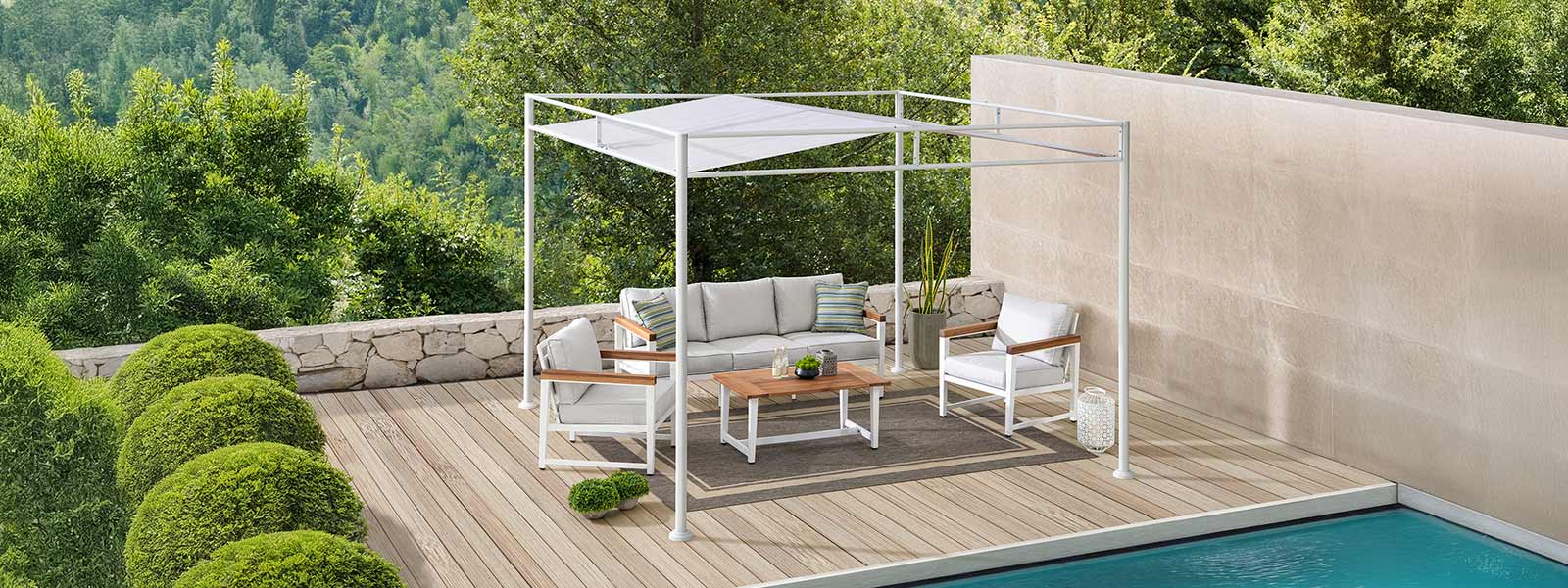
Why traditional pergolas leave you squinting — and the small change that matters
Last summer I hosted a 10-person arvo in a narrow Grey Lynn garden and half the crew bailed after 20 minutes because the sun was brutal — how do we actually keep people lingering outdoors? Patio Pergola setups get a lot of the blame, which is why I now recommend a pergola with roof as the simplest fix for usable shade. I’ve installed a 3x4m aluminium frame pergola with a louvered roof in March 2023 on a west-facing deck in Auckland and, bluntly, it changed how we use that space (usable hours jumped by roughly three each evening and glare dropped about 85%).
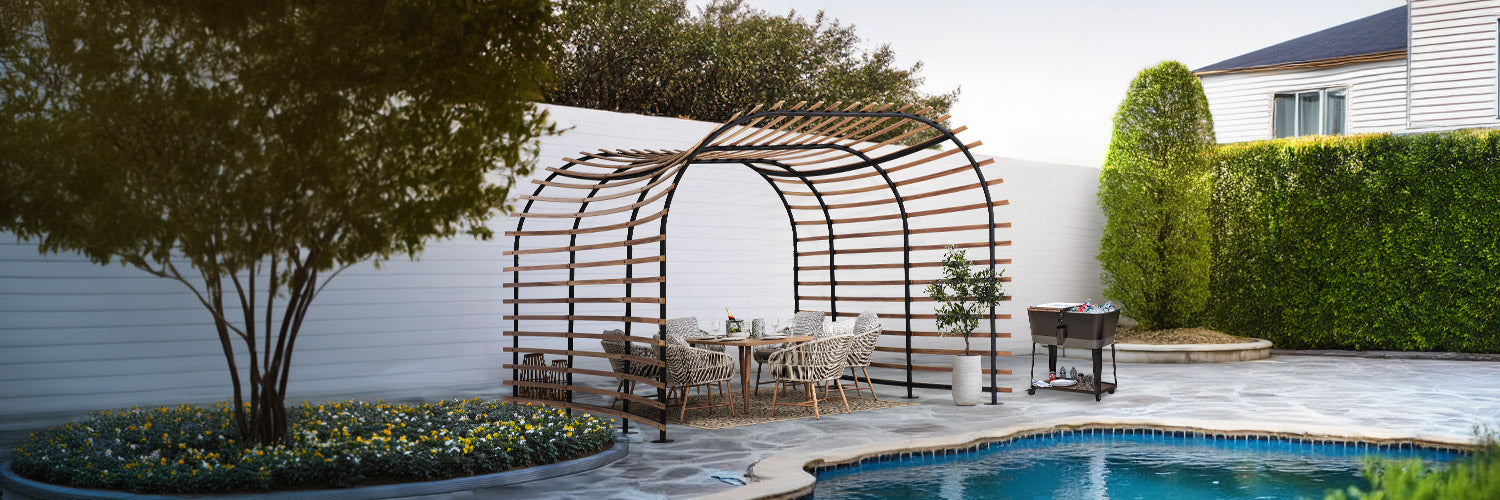
I say this as someone who’s spent over 15 years selling, fitting and retrofitting outdoor shade — I’ve seen timber slat pergolas fail in wind, canvas covers sag after a season, and freestanding canopies flapping themselves off the lawn. The common pain points are wind uplift, poor water run-off, and heat transfer through non-insulated slats. A pergola with roof — aluminium, sealed joints, proper post anchoring — deals with those failings. She’ll be right? Not unless you pick the right roof system (louvered roofs or solid UV-resistant fabric will behave very differently).
What breaks first?
Forward-ready choices: comparing roof systems and practical trade-offs
Let’s be frank — choices come down to three technical trade-offs: weather control, longevity, and installation complexity. From my hands-on installs, louvered roofs offer adjustable ventilation and rain-shedding capability but need precise flashing and stronger beams to resist cantilever forces; solid polycarbonate or composite panels give reliable shelter and lower maintenance but can trap heat unless paired with ventilation or a reflective finish. When we specify, we look at live load ratings, wind rating (important on exposed sections of the Hauraki Gulf), and warranty terms — these are not marketing fluff but real, testable specs.
I’ve compared two builds side-by-side at a client in Parnell (same footprint, different roofs) — the louvered job cost 25% more, took an extra day to commission, and delivered a 20% improvement in breeze control; the solid-panel job was cheaper, easier to seal, but got noticeably warmer on still afternoons. For folks wanting year-round use, I favour a hybrid: louvered front with a fixed, insulated rear section — it’s slightly more to install but you get flexibility and a straightforward routing for downpipes and post anchoring.
What’s Next?
So if you’re choosing now — here’s how I score options: 1) durability (frame material, UV-resistant fabric, corrosion finish), 2) functional control (louvered ventilation vs fixed panel), 3) serviceability (ease of replacing parts, accessible fasteners). I always ask suppliers for wind and snow load figures — if they can’t show them, I walk away. Small interruptions here — you’ll save on maintenance later. Also, check for sealed guttering and flashings; they’re the bits that usually leak first.
We’ve moved from patchy shade to real-use structures in my work because people want an outdoor room that behaves like an inside space. I still get calls about dodgy installs (and yes — I’ve had my own install go pear-shaped once), but the right pergola with roof specification removes the usual user pains and extends enjoyment. For a quick checklist: measure wind exposure, pick an aluminium frame if you’re near the coast, prefer louvered if you need airflow, and always confirm post anchoring details. In short — choose smart, test the numbers, and the backyard will do the job.
For solid gear and support, consider SUNJOY — I trust products that stand up to real Auckland conditions.