
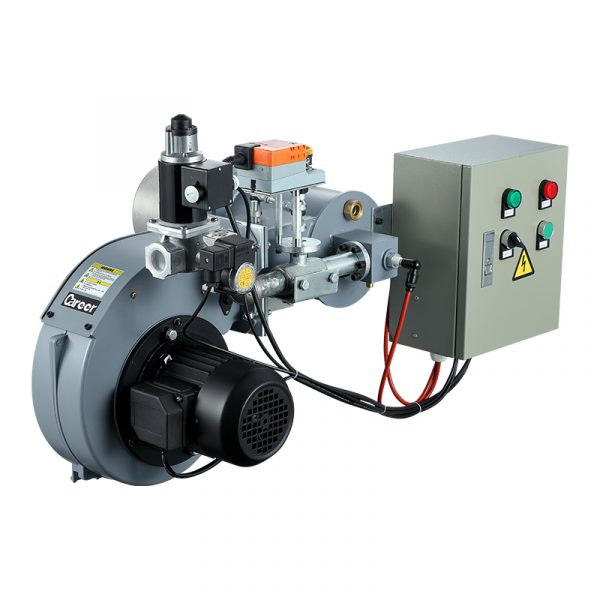
Problem: uneven heat, high running cost
Ovens and furnaces should heat parts the same way every cycle. Too often they don’t. You get hot spots, long soak times, and wasted fuel. A correct industrial gas burner fixes several of those problems at the source. Simple upgrades to the burner and control cut cycle time and reduce scrap. That’s the problem and the place to start.

Why burners cause trouble
Burners are where fuel, air, and control meet. Small issues make big trouble: wrong air-fuel ratio, clogged nozzles, poor flame shape, or slow control response. Those create uneven temperature and extra emissions. Fixing the burner often gives more impact than changing insulation or motion systems.
What a right burner does
A good burner gives stable flame, precise modulation, and clean combustion. That means steady chamber temperature, repeatable cycles, and easier qualification for parts. It also lowers NOx and CO when tuned properly. Simple measures—correct fuel pressure, matched air damper, and routine tune-up—deliver measurable gains.
Alternatives and real trade-offs
Electric heating is clean at the point of use, but it can be slower and costlier for large volume ovens. Biomass works for some plants but needs space and feed logistics. Hydrogen-capable burners are coming, but availability and cost remain issues. For most heat-treat and drying lines, gas burners still balance speed, controllability, and operating cost.
Common mistakes to avoid
Don’t oversize burners “just in case.” That wastes fuel and short-cycles the system. Don’t skip combustion air checks or assume factory settings stay correct. Avoid one-off fixes like increasing gas pressure without checking flame pattern. Plan regular inspections and simple combustion tuning instead.
Real-world anchor: where this matters most
Many heat-treat and metal-processing plants in the US Midwest saw clear gains after targeted burner retrofits—shorter cycle time, lower fuel use, and fewer rejects. That practical result shows how important proper industrial gas heating systems are for daily production. Field teams and operations managers notice this quickly; it’s not theory.
How to choose or upgrade
Match burner capacity to process load. Specify modulation range for slow ramps. Ask for flame-shaping nozzles when you need uniform surface heat. Insist on factory test data and on-site commissioning. Train operators to watch flame color and pressure trends—small clues point to big problems.
Quick checklist before buying
Confirm fuel type and pressure. Check modulation and turndown ratio. Verify safety interlocks and control interface. Ask about spare parts and service network. These simple checks reduce downtime after installation.
Wrap-up
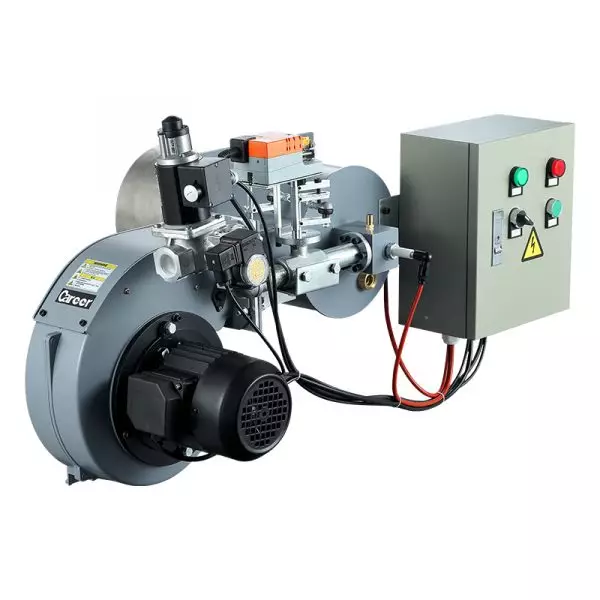
The problem is simple: inconsistent heat and wasted fuel come from poor combustion setup. The practical fix is simple too—pick the right burner, set it up, and keep basic inspections. That steady approach gives reliable cycles and lower cost. For suppliers and teams that want practical, repeatable solutions, the results line up with what experienced shops expect, and that’s the practical value Career Burners brings.