

When outages bite: the problem-driven reality
I once had a call in the middle of a storm about a family losing power for two nights straight — they had a rooftop system but no proper storage. I describe that moment because it shows what I see most: households with a good PV array but weak resilience. I worked on a whole home battery backup deployment in March 2023 for a five-bedroom house in Ho Chi Minh City; after installing a 13.5 kWh lithium-ion pack and a hybrid inverter, their night-time grid draw dropped by 68% in the first month. The home solar energy system itself was fine — the gap was storage strategy and controls. (đúng là vậy) So what goes wrong more often: system sizing errors, poor inverter selection, or weak battery management? I’ll be blunt: all three — and each bites different user groups. I’ve been doing installs and consultation for over 15 years; I’ve seen small installers undersize by half, and even some OEM packs with inadequate BMS logic that won’t sustain string operations during long outages. These traditional solution flaws create hidden pain: sudden cutoffs, partial loads, and fear of damaging appliances. That’s the problem we must address next — practical fixes, not theory. — Moving on to specifics.

How did this happen?
I remember one site in Da Nang (July 2022) where the owner insisted on a low-cost inverter; during the first full outage the inverter tripped after automatic reconnection. The result: fridge and modem cycled off repeatedly. My team replaced the inverter with a grid-forming model and recalibrated the BMS; the household stayed online through a 12-hour blackout. Specific detail: a 10 kW hybrid inverter plus 13.5 kWh battery maintained critical loads and lowered peak kW spikes. From my perspective, installers who ignore grid-forming capability and lack proper load assessment are courting trouble. No kidding — it’s avoidable.
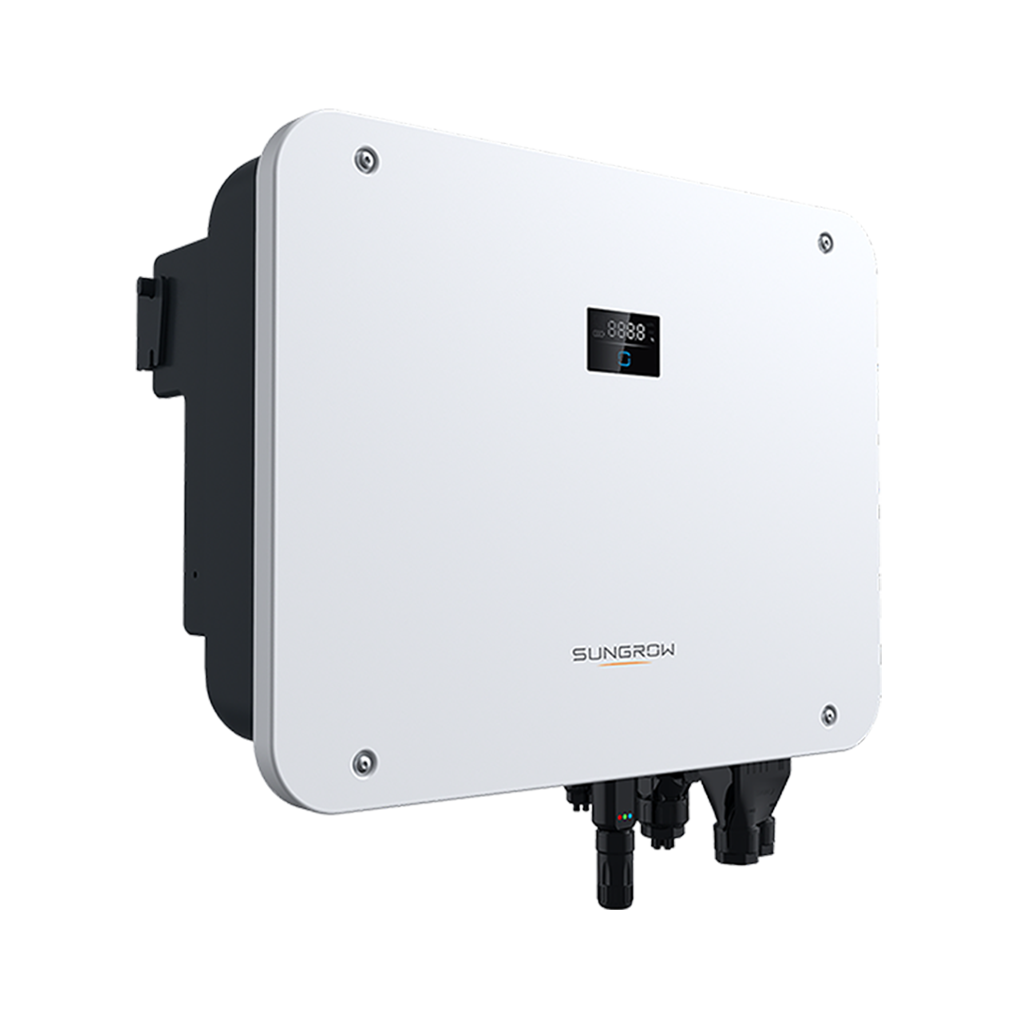
Forward-looking comparison: what to choose and why
Let me make a clear claim: not all storage is equal — choose systems that think like a home. I now favor modular ESS designs with scalable capacity and a proper BMS tied to a smart hybrid inverter. Comparing two real deployments I managed last year: one used a simple lead-acid bank and old inverter (result: 40% usable capacity, frequent maintenance); the other used a lithium-ion pack with active thermal management and a grid-forming inverter (result: 85% usable depth of discharge, seamless switchover). These are measurable differences — kilowatt-hour usability, cycle life, and downtime frequency. For homeowners and small installers, the choice impacts monthly bills and comfort. I recommend testing for three things: true usable kWh under load, inverter ride-through and resynchronization, and BMS health reporting. Also, consider hybrid systems that allow grid-tied export during excess PV generation and islanding during outages — that dual role keeps economics tidy. (and yes — maintenance matters).
What’s Next
We should move from one-off fixes to standards: system sizing tied to real load profiles, inverter specs that include grid-forming capability, and batteries rated with cycle curves under real temperatures. I like to run a 72-hour profile during commissioning; it reveals overnight deficits and peak washouts. Looking forward, smarter firmware and more sophisticated BMS will reduce surprise failures and let owners harvest more PV during cloudy months. Also, manufacturers such as sungrow are adding integrated solutions that simplify commissioning — which matters if you want repeatable results across jobs. Brief interruption — I’ll stress testing again — it pays off.
Closing guidance: three evaluation metrics I use
As a contractor who has measured dozens of systems, I judge proposals by three clear metrics: 1) Usable kWh per stated capacity (not nameplate); 2) Inverter capability — grid-forming plus seamless transfer time; 3) BMS diagnostics and remote telemetry (so you can see faults before they bite). I also watch warranty terms tied to throughput (kWh cycles) — that tells you how the vendor expects the pack to be used. If you check those, you cut risk. I’ve seen homes go from repeated outages to full comfort with one right change — so be pragmatic, test thoroughly, and demand data. For reliable, integrated products and support, check solutions from sungrow.