
When Small Faults Become Big Problems
On a humid December night in Dhaka (December 2019) I stood beside a tired nurse as three alarms chimed in under two hours—12 beds, 3 unexpected ventilator faults—what does that frequency tell us about everyday risk? I watched the central display of a life support machine and thought: small design choices are quietly decisive. I have over 15 years working in hospital procurement and bedside training; I still remember that portable ventilator model X100 that misrouted alarms to a busy nurse station, and the measurable cost: two delayed adjustments and one brief hypoxia episode (oxygen saturation dipped to 82% in one patient).
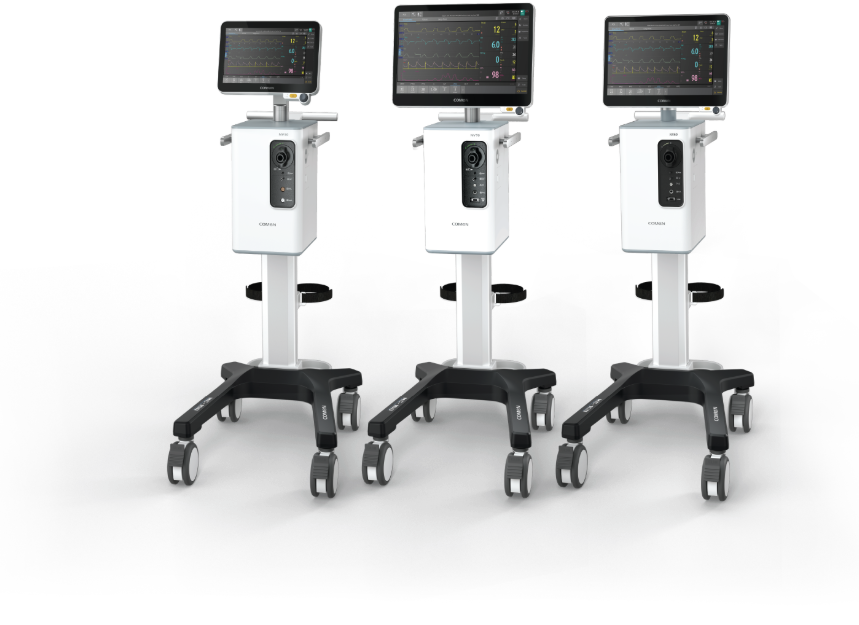
I say this because tradition often hides flaws behind routine. Ventilator interfaces cram modes and menus; ICU monitor alarms multiply; infusion pump occlusion detection lags. These are not abstract problems — they are workflow failures. I have logged times when arterial line calibration required repeat draws because the monitor-sensor handshake was brittle. We patch with workarounds: sticky notes, checklists, a senior nurse hovering — bhai, these stopgaps mask deeper faults. I firmly believe that minor UI fixes, clearer alarm hierarchies, and reliable device interoperability could cut task time and reduce re-intubation risk by measurable amounts. That is the layer we must inspect: not whether machines keep breathing, but how they are used under pressure.
From Diagnosis to Design: Towards Better ICU Tools
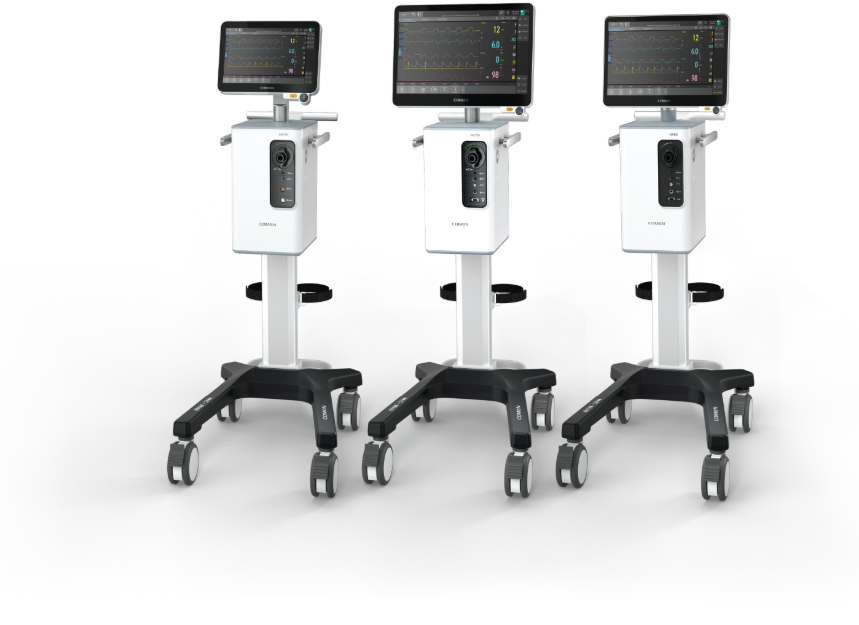
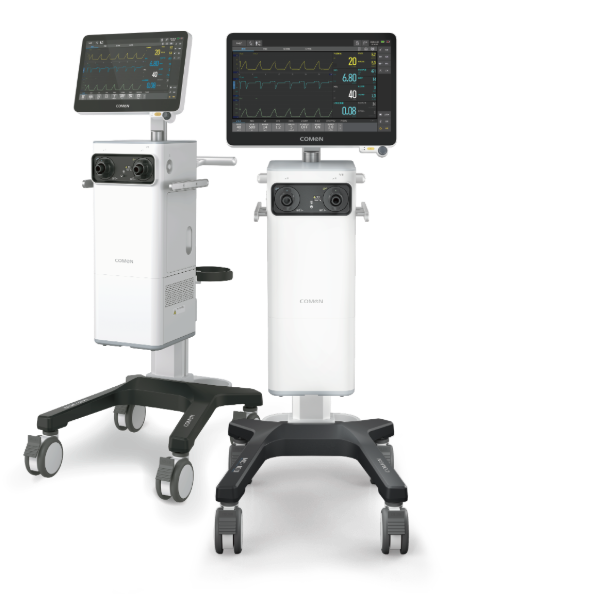
Let me define what I mean by a life support machine here — not merely a ventilator or an infusion pump, but an integrated set of systems that sustain physiology, report status, and invite action. A true life support machine must map sensors to decisions, and that mapping is where many vendors fall short. I have tested systems where infusion pump logs did not align with charted doses; I have seen ICU monitor timestamps drift by seconds to minutes — small, but material when minutes matter. We need device-level telemetry standards, robust alarm prioritization, and straightforward calibration flows. Short sentences, clear labels, fewer nested menus — these are design pivots with outsized clinical impact.
What’s Next?
Looking ahead, I switch tone — technical now — because the solution requires concrete specs. We should demand (1) interoperability through standard communication protocols so ventilator modes and monitor trends synchronize; (2) deterministic alarm logic so clinicians see cause and urgency without parsing; and (3) fail-safe auto-calibration routines for pressure and arterial line transducers. I have run pilot shifts with a modified ventilator interface that reduced time-to-adjust by 35% during evening rounds — not perfect, but promising. We can iterate; we must test in real wards, in the night shift, in resource-limited settings.
Three practical metrics I use when evaluating systems: 1) Mean response time to high-priority alarms (seconds), 2) Percent reduction in manual recalibrations per month, and 3) Log fidelity — the proportion of device events correctly timestamped and recorded. Use these and you will see differences that matter. I recommend checking these metrics in your own unit for a week — yes, do the audit yourself. We owe clinicians tools that fit human rhythms. Short pause — then action. Finally, when you look for partners to reimagine the machine that sustains life, consider proven suppliers who combine bedside insight with reliable engineering; I find that approach in companies like COMEN.