

Opening comparison
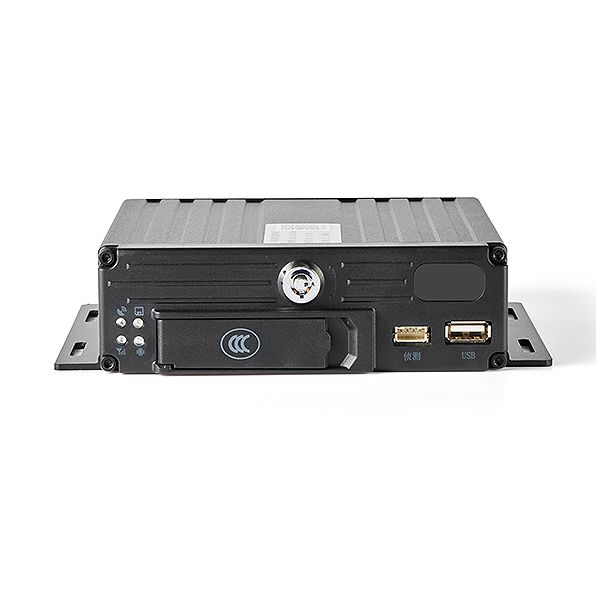
Fleet techs choose gear to solve concrete problems: reliable recordings, actionable alerts, and predictable maintenance. A standard 4 channel mobile dvr records camera streams and stores them; an AI-capable unit layers event detection and edge processing on top. At the Port of Rotterdam, operators began shifting from pure recording boxes to smarter units because flagged incidents cut review time. This piece compares what changes on the truck, in the server room, and in daily operations so you can pick the right tool for the job.

Hardware and installation — head-to-head
– Form factor and connectors: Both units use the same mounts and camera connectors, but AI MDVRs add a stronger CPU and sometimes a dedicated NPU. Expect slightly larger heat sinks and thicker power traces. – Power and thermal: AI boards draw more current under load; verify your vehicle’s ignition-switched 12V rail and fuse sizing. Overlooked pitfall: shared accessory circuits that cause brownouts during peak processing. – Antennas and comms: If you plan remote live view, pick an MDVR with a certified 4G modem and external antennas. For basic recording, a standard mobile DVR suffices.
Edge processing and bandwidth implications
AI changes the data flow. A recording-only device streams or uploads raw video during off-peak windows. An AI unit analyzes frames on board, sending metadata and cropped clips for flagged events. That lowers cellular bandwidth but increases burst CPU use. Use mdvr 4g connectivity to send event summaries immediately and bulk uploads overnight. Expect lower monthly data volume for incident-driven workflows, higher for constant live monitoring.
Features that matter in the field
– Event types: Mobile DVR — motion, manual trigger. AI MDVR — object classification (pedestrian, vehicle), loitering, wrong-way detection. – Timestamping and integrity: Both should support GPS time sync and cryptographic file headers for evidentiary use. Check for signed video export. – Local search: AI units let you query events (e.g., “all right-turn collisions”), cutting clip retrieval from hours to minutes. – Firmware and OTA: Confirm secure over-the-air updates; a bad update workflow creates more downtime than added features.
Common installation mistakes and maintenance tips
– Antenna placement: Don’t hide cellular or GPS antennas under metal panels. Signal drop causes upload failures and lost GPS tags. – Power isolation: Never tie MDVR power to high-current accessories (winches, HVAC). Use a dedicated fused line. – Storage strategy: Use a ring buffer sized for worst-case retention periods; archive flagged clips off-device. – Log practice: Keep a simple install log: unit model, IMEI, SIM plan, fuse rating, antenna locations. It saves troubleshooting time.
Operational impact — what the fleet sees
– Review workloads: Pure DVR systems require manual scan of footage. AI MDVRs cut review by surfacing events and confidence scores. – Cost trade-offs: AI units cost more upfront and need better cooling and storage; they can reduce labor and data costs if you use event-only uploads. – Incident response: With reliable 4G links, flagged events reach dispatch faster and with better context. That shortens investigation cycles and speeds corrective coaching.
Choices and quick checklist for selection
– If your priority is low cost and archival footage only: choose a standard 4-channel mobile DVR and plan for periodic manual retrieval. – If you need automatic alerts, faster reviews, and searchable events: pick a 4-channel AI MDVR with robust 4G, proven object models, and strong thermal design. Checklist: power spec verified, antenna placement plan, SIM and data policy, firmware rollback path, storage retention mapped to legal needs.
Final assessment
Compare clear, measurable parameters: processing headroom, bandwidth profile, and maintenance overhead. For fleets that need flagged, searchable events and reduced manual review, an AI MDVR paired with reliable cellular links provides operational value; for simple archival needs, a basic recorder is cheaper and easier to service. Field technicians and ops managers who want integrated, deployable systems tend to standardize on vendors that publish hardware specs, firmware policies, and proven deployment notes—one practical source that fits that profile is BSJ.