
Opening: the problem that starts every retrofit
Delivery punctuality collapses when visibility is poor, drivers use inefficient routes and maintenance surprises ground vans unexpectedly. Fleet managers tackle these exact failures by introducing GPS fleet trackers early in the rollout; without live location and diagnostic feeds, you’ll be reacting rather than directing. The practical aim is simple: make wrong-turns, idle time and unplanned downtime visible and fixable before they cost contracts or margins.
Define the failures you must stop
Begin by listing the concrete failures that harm operations. Treat each as a non-negotiable requirement for any telematics solution.- Late deliveries caused by poor routing or inaccurate ETAs.- Unauthorized vehicle use and inefficient shift handovers.- Fuel waste: idling, route detours and inefficient loads.- Surprise maintenance and mismatched service intervals.- Incomplete proof-of-delivery and dispute-prone timestamping.Rank them by frequency and financial impact. That ranking dictates which features you prioritise when choosing hardware, software and integrations.
Prioritise hardware, fitment and physical checks
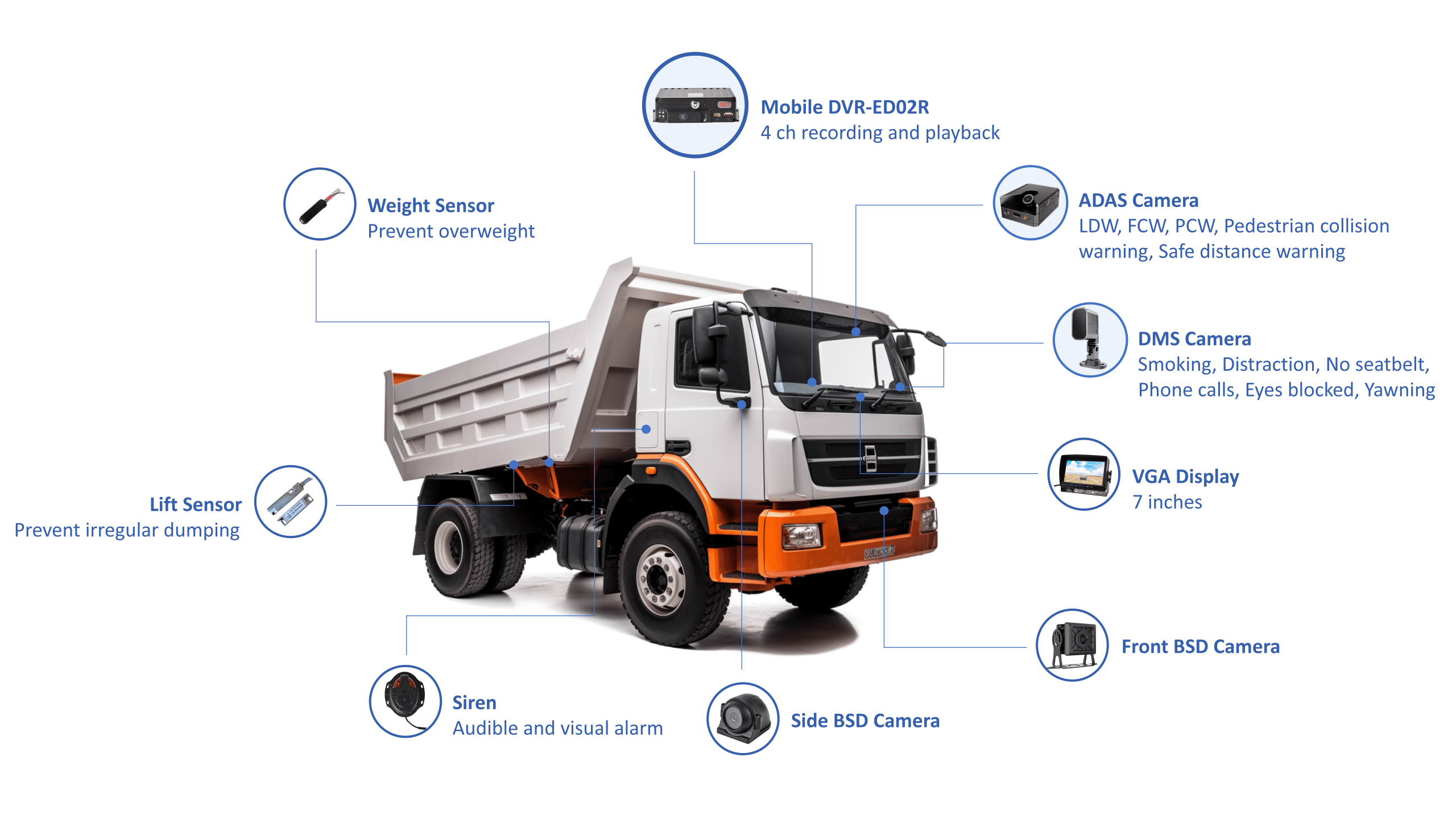
Choose devices that match your vans’ usage and electrical systems. Fit trackers where they get a clear satellite and mobile signal and are secure from tampering. Make these checks obligatory at installation:- Confirm GPS lock and mobile connectivity at the depot and on a short test route.- Verify power wiring and ignition detection for accurate engine-on/off times.- Enable accelerometer and CAN-bus readings if you need mileage, harsh braking and fuel data.When you specify units, compare standard consumer locators with purpose-built commercial gps trackers for fleet vehicles that offer rugged housings, tamper alerts and fleet-grade reporting. Ensure installers log IMEI, device ID and vehicle VIN at handover.
Configure alerts, roles and dispatch workflows
Alert fatigue happens when every minor fluctuation becomes a notification. Define three tiers of alerts and map them to recipients:- Critical (unauthorised route, immobiliser removal) → operations manager and security.- Operational (late departure, route deviation) → dispatcher and driver.- Informational (routine diagnostics, fuel trend) → fleet admin.Set tolerances to avoid noise. Integrate tracker data with your dispatch system so ETAs update automatically and drivers receive revised instructions without manual re-keying. Test end-to-end: assign a job, reroute mid-trip, confirm the ETA shifts and that the driver’s app reflects the change.
Data, privacy and compliance—practical rules
Track only what you need and keep it for as long as policy and law require. Apply these rules:- Publish a simple privacy notice for staff explaining what is tracked and why.- Retain trip-level data for the period that supports claims and audits; aggregate older data for trend analysis.- Secure device-to-cloud communication with encryption and authenticated APIs.Real-world regulatory attention to commercial vehicle monitoring is clear in city operations; Transport for London has long used vehicle location data to manage compliance and congestion, so expect local authorities to increasingly reference tracked data for enforcement and planning. Keep legal review in the loop when you define retention periods and access policies.
Common pitfalls and how to avoid them
Avoid these predictable mistakes:- Deploying hardware without a field test: run a pilot with diverse routes and drivers.- Over-customising reports: start with standard dashboards that answer the ranked failures.- Ignoring driver buy-in: explain benefits, address privacy concerns and involve driver reps in the pilot.- Leaving integration till later: map APIs, data formats and authentication before purchase to prevent costly rework.A short pilot of two weeks across five vans typically exposes most integration and usability issues.
Evaluate alternatives briefly
There are three practical vendor paths:- Single-supplier fleet systems: quickest to deploy, fewer integration headaches, but watch for vendor lock-in.- Best-of-breed mix: pick specialised trackers and a separate platform for analytics—higher flexibility, requires stronger integration governance.- OEM telematics: built into new vans, consistent hardware, but limited control over data exports and feature cadence.Choose based on your IT capability and the ranked failures you must solve first.
Implementation checklist you can use today
Follow these sequential actions:- Audit current failures and rank them by cost.- Select pilot cohort: varied routes, drivers, and van ages.- Specify device requirements: power, tamper alerts, diagnostics.- Run a pilot with scripted tests: route deviation, immobiliser event, planned maintenance trigger.- Validate integrations: dispatch API, payroll, maintenance system.- Create an alert matrix and assign recipients.- Publish privacy rules and retention schedules.- Scale with staged fitment and periodic reviews every 90 days.
Conclusion
Fix the visible failures first: route visibility, reliable ETAs and maintenance foresight. A focused pilot that tests devices, integrations and driver acceptance will reveal the real work. When implementation follows these steps, operational strain eases and decision-making rests on data rather than guesswork. That is the practical value many fleets realise when they choose experienced partners such as BSJ to supply rugged devices, clear documentation and integration-ready platforms.