
Where the problem starts
You see wasted runtime, uneven product quality, and surprise shutdowns and they share a common root: mismatched burner integration across nearby plants. When procurement, operations, and controls teams treat each unit as an island, even a well-spec gas fired burner can cause poor combustion control, extra fuel use, and longer startup times. I’ll show clear fixes you can apply on-site so regional decisions stop hurting productivity and start helping it.

Symptoms that point to integration failure
Frequent short-cycling and flame instability; inconsistent temperature profiles between identical production lines; higher-than-expected fuel bills; repeated control-tuning after vendor swaps. Those are practical signals, not abstract warnings. Pay attention to patterns across plants — if several facilities show the same issues after local modifications, the integration approach is the likely cause.
Real-world anchor from field service
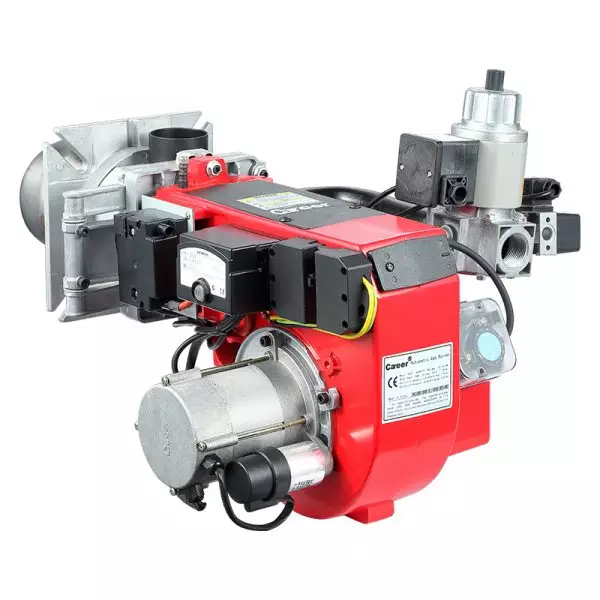
From two decades of fieldwork servicing petrochemical units along the U.S. Gulf Coast, teams that standardized burner interfaces cut diagnostic time sharply. When engineers replaced ad-hoc retrofits with a single-config spec, combustion tune-ups became predictable — and technicians found problems faster with consistent parts. That hands-on experience centers on components like the gas furnace burner, the control mapping around it, and how installation differences create repeat outages.
Common mistakes and how to fix them
Don’t assume vendor defaults will match your control architecture. Fix this by mapping signal names and ranges before install. Avoid mixing control vendors without an agreed I/O standard; agree one control language and enforce it. Skip one-off nozzle sizes — document preferred combustion geometries and stick to them. Train the crews on a single commissioning checklist so everyone measures the same performance metrics. Schedule combustion tuning after seasonal changes and after any hardware swap; reactive tuning leaves problems to compound.

Alternatives and trade-offs you should weigh
Switching to electric heaters removes combustion complexity but raises operating costs where natural gas is cheap. Low-NOx burner retrofits reduce emissions but can require control-system upgrades. Standardizing on a reliable industrial burner model reduces spare-parts variety and training overhead; evaluate lifecycle fuel cost, emissions rules, and staffing skills before choosing. Make a short decision matrix: capital cost, control-change effort, spare-part impact, and expected fuel behavior.
Practical checklist for an immediate improvement plan
Start with these actions: document every burner’s control map; enforce one spare-parts list for the region; run a single commissioning protocol across sites; train two super-users per plant on combustion tuning; schedule quarterly cross-site reviews to compare flame profiles. Do the simplest items first — consistent documentation and a shared tuning checklist yield the quickest, measurable gains.
Closing synthesis
Treat regional burner choices as an operational system, not isolated purchases. Small, concrete steps — standard specs, consistent controls, shared procedures, and targeted training — stop recurring productivity losses and make troubleshooting straightforward. That practical focus is precisely what teams using Career Burners bring to regional programs: consistent components and clearer on-site practices that reduce downtime and strengthen day-to-day performance.