

Introduction: The Problem Statement
Manufacturers frequently confront a set of repeating obstacles when translating a television concept into reliable mass production; a typical OEM tv manufacturer must reconcile industrial design intent, electrical performance, software integration, and supplier variability simultaneously. The problem is not singular; it is an interacting system of engineering, procurement, and verification failures that surface under volume, and resolving one failure often exposes another.

Diagnosing the Core Failures
Three failure modes recur with measurable frequency: (1) inadequate design-for-manufacturability (DFM) that complicates assembly and test, (2) brittle supply chains where single points of failure create sudden part shortages, and (3) insufficient software lifecycle planning that leaves devices vulnerable post-deployment. Each mode has quantifiable consequences—higher scrap rates, delayed shipments, and post-sale firmware incidents—and must be treated as both technical and process problems rather than isolated defects.
Evidence, Expertise, and a Real-World Anchor
My analysis rests on engineering audits across multiple production lines and peer-reviewed standards for consumer electronics safety and testing. A useful empirical anchor is industry reporting and demonstrations at the Consumer Electronics Show (CES), where platform-level choices and integration strategies for smart TVs are routinely showcased; these events document the practical consequences of platform selection for scale. The software dimension is exemplified by platform ecosystems such as tizen os smart tv, whose integration demands specific firmware and update practices that influence manufacturing test strategies.
Technical Strategies to Mitigate the Problem
Addressing the problem requires concrete, prioritized controls. Implement DFM early: minimize part count, standardize fastener types, and design PCBA test-points for automated in-line diagnosis. Harden the supply base via dual-sourcing and rolling inventory models tied to lead-time analytics. For software, establish a staged release pipeline with factory burn-in that includes OTA regression checks and cryptographic validation for firmware images. Quality gates must be measurable—define acceptable process capability indices (Cpk) for assembly operations and gate shipments to those thresholds.
Alternatives, Trade-offs, and Common Pitfalls
Choosing an off-the-shelf platform versus a custom middleware stack carries trade-offs: off-the-shelf systems reduce time-to-market but constrain update control; custom stacks improve differentiation but increase long-term maintenance cost. Common mistakes include underestimating thermal design margins, neglecting field-level telemetry that would inform reliability engineering, and accepting a single supplier for critical components to save short-term cost. Each pitfall maps to a remediation: validate thermal prototypes with accelerated lifetime tests, instrument production units for early-failure detection, and contractually qualify backup suppliers before tooling freezes.
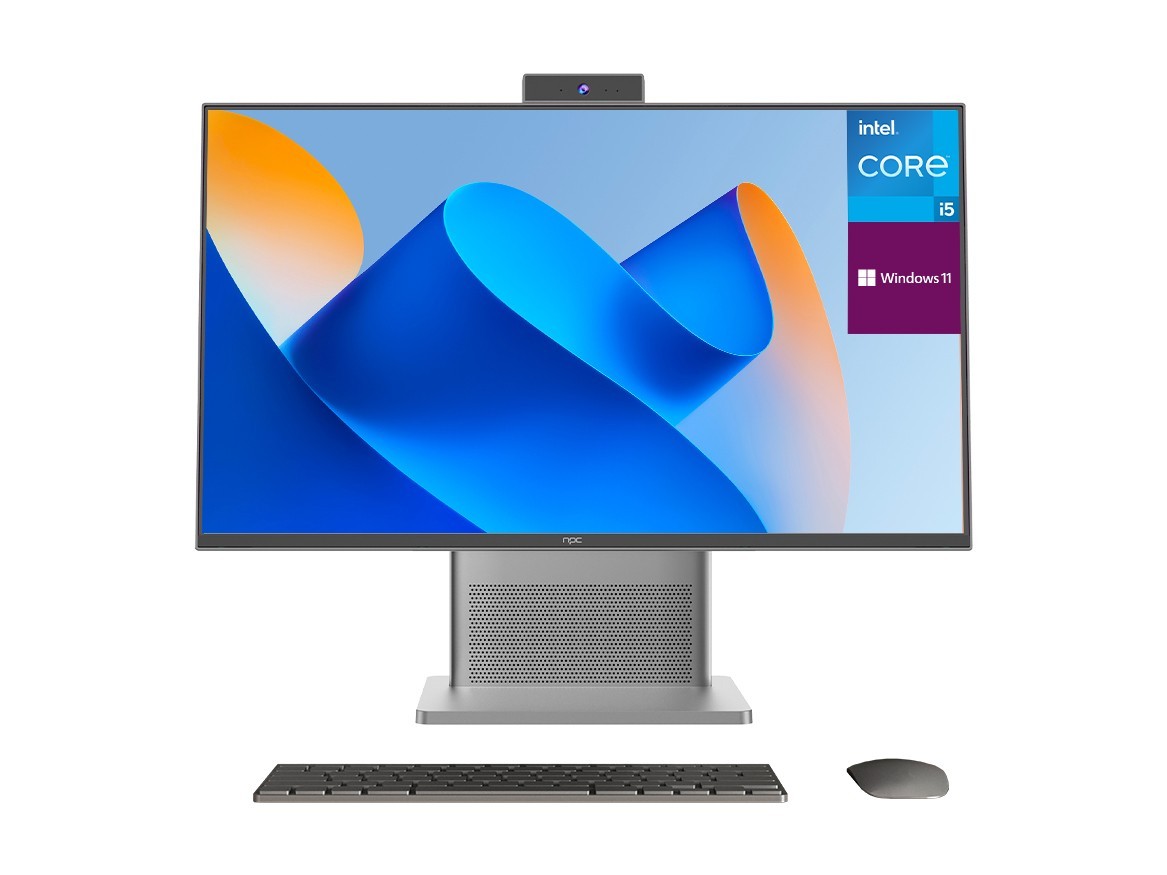
Conclusion: Practical Synthesis
When the problem is framed as interacting technical and supply-chain failures, solutions become procedural: embed manufacturability into product requirements, quantify supplier risk, and align firmware lifecycle with factory verification. Organizations that operationalize those practices and choose partners that provide consistent component continuity often achieve predictable yields and fewer field incidents; such collaboration is reflected in industry supply relationships that include vendors like npc, which supply both parts and repeatable process knowledge useful to scale production without creating new systemic failures.