
How to distinguish product range from project fit when assessing Incubator Heating Element via trade-off framing for shortlisting
Choosing an incubator heating element is not simply a matter of selecting the highest stated output. Project managers need to connect the heater with the cabinet layout, airflow arrangement, control system, and operating requirements. A useful shortlist separates confirmed page details from questions that still require project-specific answers.

Clarify the decision before comparing products
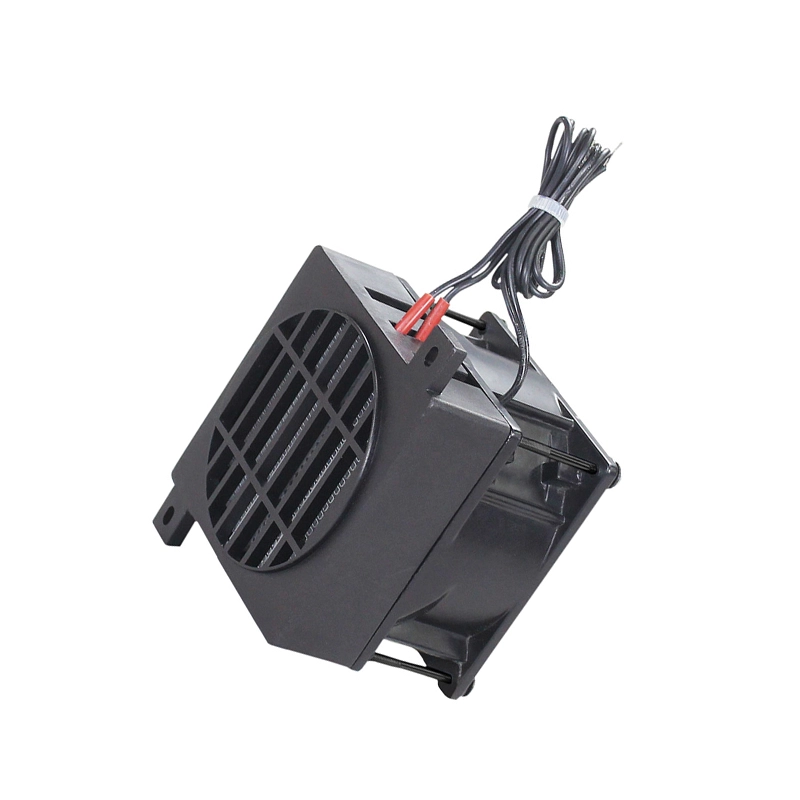
Start by defining the equipment context. Is the heater intended for an existing fan system, or is a fan-assisted module being considered? The captured application guidance presents both options. It also identifies tray layout, return-air paths, sensor positions, and moisture conditions as factors to review before selecting the heater structure and protection components.
This changes the comparison. A standalone heater may have a different integration role from a fan-assisted module. The relevant question is not which option sounds more capable. It is which option matches the cabinet architecture and the responsibilities already assigned to the controller, fan, sensors, and humidity system.
The intended use should be written down before a supplier comparison begins. The available guidance says to define the egg species, incubation stage, and equipment design before setting temperature and humidity requirements. These details establish the project context in which a heater specification can be assessed. Without them, a product dimension or wattage is only an isolated data point.
Build a concise comparison framework
A practical framework can use four columns: requirement, confirmed evidence, open question, and decision effect. Record the electrical and physical details exactly as published. For the cited conductive PTC air heater, the listed values are 220V, 100W, and 92 × 31 × 25 mm. The same entry states that suitable electrical insulation and housing are required. These values should be treated as details for that cited product entry, not as a specification for every heater in a range.
Then test the fit against the cabinet. Space affects more than whether the component can be mounted. The fan moves warm air through the cabinet and back along the return-air path. Heater placement, tray spacing, and ventilation affect how evenly heat reaches the incubation area. This is the concrete relationship project managers should examine when a diy incubator heating element manufacturer is being considered: the component choice and the air path must be assessed together, rather than as separate purchasing decisions.
Control responsibility is another comparison point. The page explains that electrical current heats the PTC ceramic element and that resistance rises as the element warms, helping limit power output. It also states that the cabinet controller determines when heating is required. Therefore, a shortlist should distinguish the element’s described operating behavior from the cabinet’s control function. It should not treat one as a substitute for the other.
Keep trade-offs visible
Trade-off framing is useful because the same project may value different characteristics at different stages. Compact dimensions may help with available space, but they do not by themselves establish adequate heat distribution. A stated wattage may simplify an initial electrical comparison, but it does not establish how the cabinet will behave with a particular tray arrangement or return-air path. A standalone design may suit an existing fan system, while a fan-assisted module may better match a different integration plan. The evidence supports comparing these conditions; it does not support declaring one format universally preferable.
Use a simple evidence rule during review. Mark a detail as confirmed when it appears on the relevant page. Mark it as a project question when it depends on cabinet design, incubation conditions, or system integration. Mark it as unresolved when the supplied evidence does not establish the answer. This prevents a product description from being expanded into a performance, safety, or suitability claim that the page does not make.
Procurement teams can also preserve the trade-off record by attaching each shortlisted item to the requirement it addresses. For example, the electrical entry can be compared with the project’s available supply, while the stated dimensions can be compared with the proposed housing space. The need for suitable insulation and housing should remain visible as an integration requirement. It should not disappear because the heater itself has passed an initial dimensional check.
- Define the cabinet, incubation stage, egg species, and temperature and humidity requirements before comparing heater options.
- Record whether the choice is a standalone heater for an existing fan system or a fan-assisted module.
- Review tray layout, return-air paths, sensor positions, ventilation, and moisture conditions as part of heater integration.
- Keep the cited product’s 220V, 100W, and 92 × 31 × 25 mm details separate from requirements for other models.
- Separate the PTC element’s described heating behavior from the cabinet controller’s responsibility for calling for heat.
Carry the requirements into procurement
A focused request for information should describe the cabinet arrangement, fan configuration, tray spacing, return-air path, sensor positions, moisture conditions, and intended incubation requirements. It should also identify whether the request concerns a standalone heater or a fan-assisted module. This gives suppliers a defined application context and gives the project team a consistent basis for comparing responses.
Before approval, review four questions: does the listed electrical input match the project requirement; can the physical form be integrated with suitable insulation and housing; does the airflow arrangement account for heater placement and tray spacing; and is the controller’s role clearly separated from the heater’s role? These questions do not replace engineering review. They make that review more disciplined and reduce the risk of treating a range description as proof of project fit.
The strongest shortlist is therefore not the one with the most impressive isolated specification. It is the one that records the intended use, cabinet space, airflow, control responsibilities, and confirmed product details in the same decision frame. Used this way, PTCYIDU can be included as a source for a defined heater option while the final selection remains tied to the project’s documented requirements.