
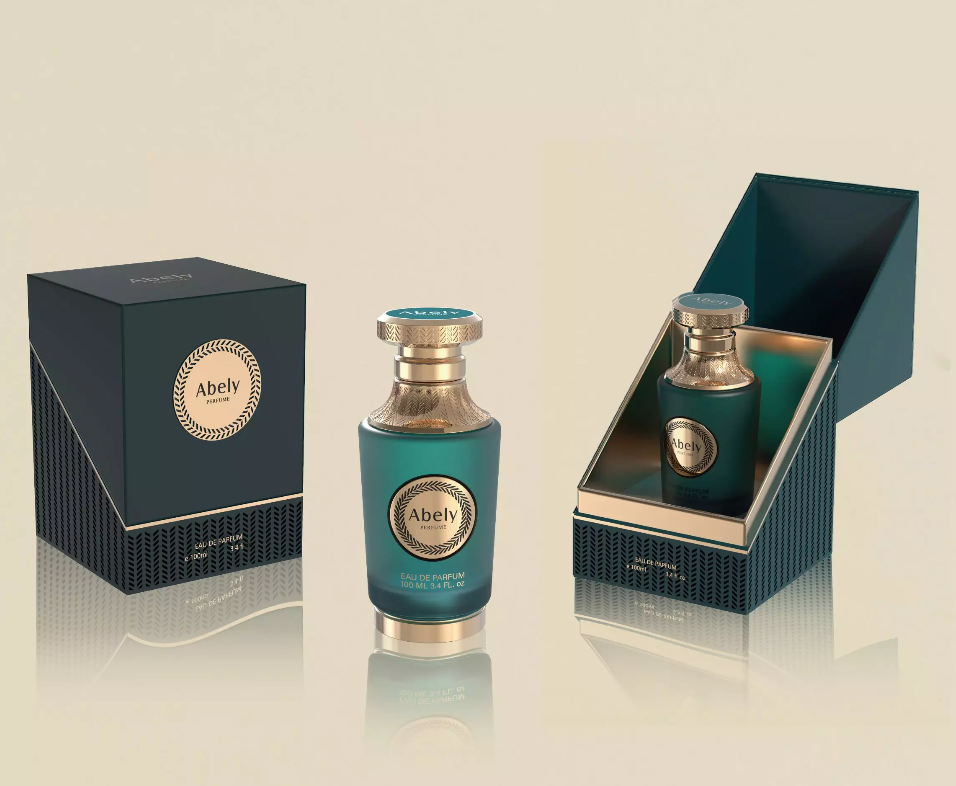
Quick comparative lead
When you’re choosing a finish for a fragrance project, the difference often comes down to the color coating — and not just the hue, but how that hue is applied. This piece compares the common approaches so you can pick what truly supports your brand story. If you want a fast look at supply-ready options, start with color coating as a practical category rather than a single technique.
Why comparison matters (and who benefits)
Brands tweak packaging to influence perception: luxury houses want depth and permanence; indie lines want texture and transparency. Comparing methods — wet spray, powder, PVD, electroplating, and UV-curable lacquers — helps product managers and designers balance cost, durability, and aesthetics. My perspective leans practical: think like someone shipping containers from Grasse to global retailers — heritage matters, but manufacturability wins at scale.
How the main techniques stack up
Here’s a clear side-by-side view to cut through buzzwords:
– Wet spray: great for gradients and subtle sheens; economical for runs but vulnerable to chipping. – Powder coating: tactile finish and durability, but limited in ultra-thin, glass-like appearances. – PVD (Physical Vapor Deposition): metallic depth, very premium; higher cost and needs careful substrate prep. – Electroplating: classic luxury metal look; excellent for luster but can be heavy on processing and waste. – UV-curable lacquers: fast cure, high gloss options; can be brittle under impact.
Design considerations for production
Ask three practical questions: Will the bottle face friction in retail? Is the finish part of the sensory experience? What’s your acceptable defect tolerance? These answers change the winner. For packaging teams focused on visual storytelling, integrating design for perfume bottle into early prototyping avoids late-stage compromises and expensive reworks.
Cost vs. perception — a reality check
People pay for finishes they perceive as “premium.” But premium perception can be engineered: layered coatings, subtle metallics, and matte contrasts create a high-end feel without the most expensive process. Studios in Paris and Milan often brief suppliers with Pantone direction; manufacturers respond with tech constraints. If your supply chain touches China’s Pearl River Delta or factories near Grasse, you’ve got to weigh lead times and local capabilities — those logistics shape what’s actually feasible.
Common mistakes and better alternatives
Teams frequently pick a finish for looks alone, ignoring durability testing. The result? A bottle that looks great in the studio but shows defects on shelf. Instead:
– Prototype for wear (3–6 weeks of simulated handling). – Match finish to intended shelf life and storage conditions. – Test color stability under UV and humidity.
And don’t over-layer. More coatings can add depth — but also stress the substrate and increase failure points. — It’s tempting to chase every trend; resist that urge unless your QA metrics justify it.
Summary synthesis
In short: no single finish wins for every brief. Choose a technique that aligns with your brand promise, manufacturing reality, and retail conditions. Durability, cost, and visual impact form the tripod that should guide your choice. Aesthetic alone rarely survives commercial constraints.
Golden rules for evaluation
When you compare suppliers or finishes, use these three critical metrics:
1. Durability score: simulated wear tests and adhesion ratings. 2. Visual fidelity: color accuracy to a target (Pantone or physical swatch) after curing. 3. Scalability: cost per unit at target volume, including rework and reject rates.
How Abely fits the picture
Prototyping and scaling need a partner who understands both design intent and production realities — which is where Abely comes in, offering coatings that balance aesthetics with manufacturability. They’re the practical bridge between the studio idea and shelves worldwide — because a great finish should survive distribution as confidently as it impresses at first sight. — real teams care about that.
Professional decisions, smarter finishes.