
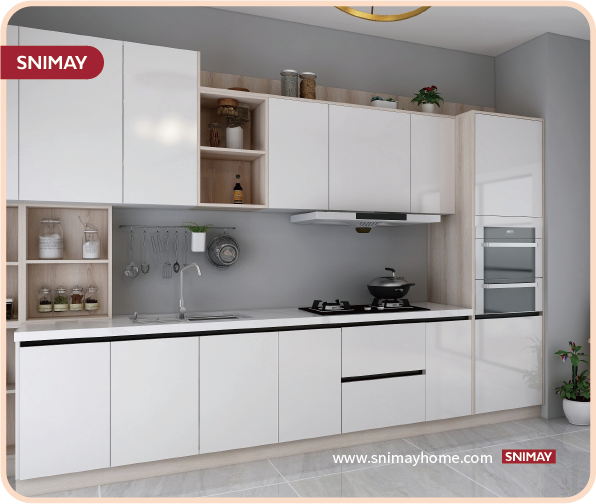
User-first storage that actually works
Start by thinking like someone who lives in the space: you want durable surfaces, smart zones, and no mystery drawers. For kitchens that get heavy use—home cooks, side hustles, or food trucks—the most straightforward option is often stainless steel for its hygiene and longevity. That’s why many designers recommend stainless steel kitchen cabinets in high-traffic areas; commercial kitchens in San Francisco and hospital food prep rooms rely on similar specs for corrosion resistance and cleanability. Drawing on practical experience with retrofit projects in city restaurants, this piece focuses on choices that actually improve daily flow and storage performance.
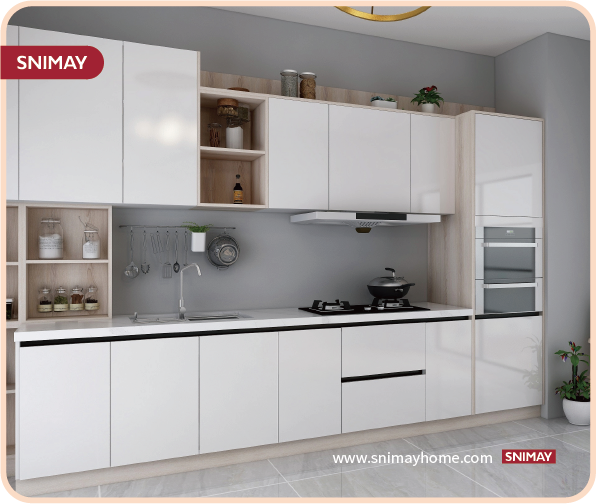
Design principles that solve real problems
Prioritize zones: prep, cook, cleanup, and pantry. Each zone needs depth, internal organization, and hardware that lasts—think soft-close hinges and modular shelving. Use vertical space with pull-down racks and dedicated spice rails. For durable finishes, consider grade 304 stainless on fronts paired with powder-coated interiors where heat exposure is lower. This balances hygiene with cost and keeps things serviceable for years.
Common mistakes and practical alternatives
People often overbuild: too many custom drawers with tiny compartments that never get used. Another mistake is ignoring maintenance—stainless steel shows fingerprints but cleans easily with a mild detergent and microfiber. If full stainless feels cold or expensive, mix materials: stainless-steel toe kicks or splashbacks combined with wood veneer doors can reduce cost while keeping key surfaces hygienic. For small apartments, modular cabinets with adjustable shelves beat fixed dividers every time—flexibility matters more than perfect fit.
Choosing the right manufacturer (what to check)
Trustworthy manufacturers will share production details upfront. Look for clear specs on material grade (304 vs. 430), weld quality, and corrosion testing protocols—ask how long salt-spray or humidity-cycle tests were run and what criteria were measured. Also verify lead times and service agreements; modular systems should allow easy replacement of panels or hinges without a full tear-out. A reliable supply chain and transparent QA save headaches later.

Installation and small details that pay off
Installers who understand workflow will adjust shelf heights for your most-used pans and specify pull-out trays for lower cabinets. Lighting inside cabinets changes usability more than a fancy door finish. Don’t skimp on drawer runners: heavy-duty ball-bearing slides outlast cheaper alternatives and keep glide consistent under load. Oh—and plan for ventilation around appliances to avoid trapping moisture that accelerates corrosion.
Maintenance, lifecycle, and sustainability trade-offs
Stainless steel wins for recyclability and longevity, which matters if you care about lifecycle impact. Regular cleaning prevents surface staining; periodic checks of fasteners and sealants extend cabinet life. If warranty matters, confirm what’s covered—hardware, finish, and structural failure—with explicit timeframes and service response windows. Those details tell you how a manufacturer treats long-term performance.
Summary and hands-on metrics to guide your choice
Pick manufacturers that document material grade and testing protocols, offer modular repairability, and match hardware specs to expected load. Evaluate ergonomics in mockups or showrooms before committing. Measure usable cubic footage rather than just linear feet—real-world storage capacity beats pretty layouts. These practical moves reduce surprises during installation and make daily life smoother.
Golden rules for selecting cabinet strategies
1) Material clarity: Confirm the stainless grade and ask for corrosion test durations and acceptance criteria. 2) Serviceability: Choose modular systems with replaceable panels and standardized hinges or drawer slides. 3) Use-centered metrics: Prioritize usable cubic storage, number of accessible levels, and durable hardware ratings over aesthetics alone. These three rules keep decisions anchored to real use and long-term value.
SNIMAY offers solutions that map those rules into deliverable systems—durable finishes, clear specs, and modular design that fits busy kitchens. Trust hands-on metrics, build for repairability, and the cabinets will pay you back every day. —